




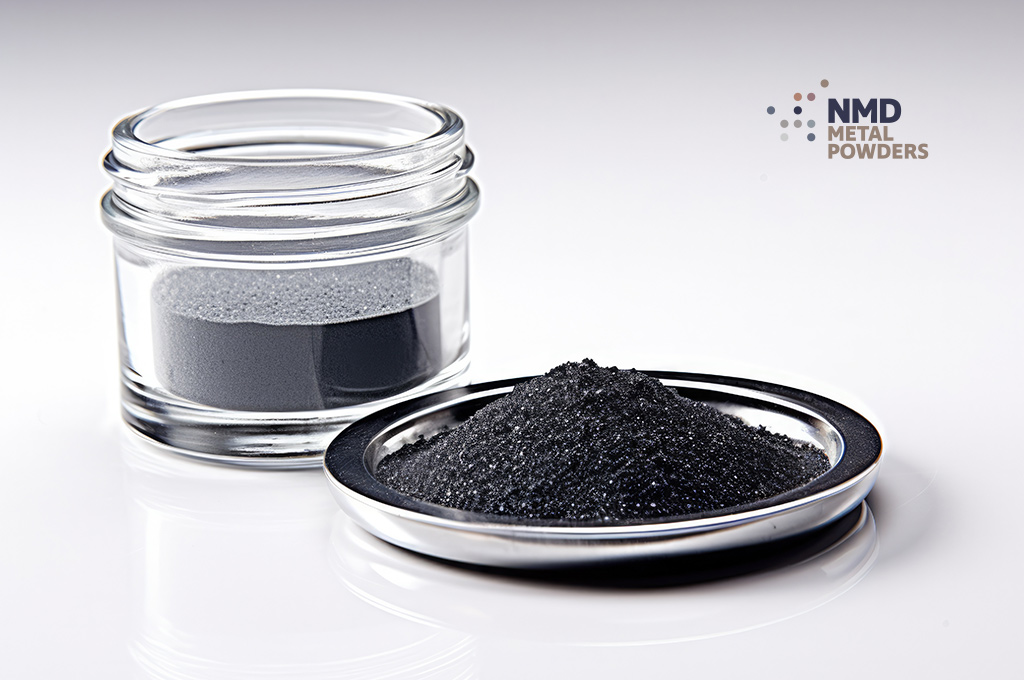
Zirconium powder is used in specialised industrial processes where a defined particle size distribution, controlled reactivity and reproducible material properties are crucial.
Purchasing staff, developers and quality managers are often faced with the question of what distinguishes Zirconium powder type 1 CL2 and Zirconium powder type 1 CL3 distinguish.
Both powder grades comply with the technical specification MIL-Z-399D and, according to our available data sheets, have the same chemical limit values. The main difference lies in the particle size distribution: CL2 has an upper particle size limit of less than 177 µm, whilst CL3 is entirely below 88 µm.
However, the question of which variant is suitable for a particular application cannot be answered simply by asking, „Finer or coarser?“.
The key factors are the specific process, the required response characteristics, the processing method, the safety requirements and the underlying technical specification.
Zirconia powder: between strategic importance and challenging procurement
The procurement of specialised Metal powder is increasingly shaped by geopolitical developments, concentrated sources of raw materials and growing demands for resilient supply chains.
As a result, zirconium has recently come under greater scrutiny at a political level. The US added the mineral to its list of critical minerals in 2025.
One reason cited was a potential central weakness within the supply chain.
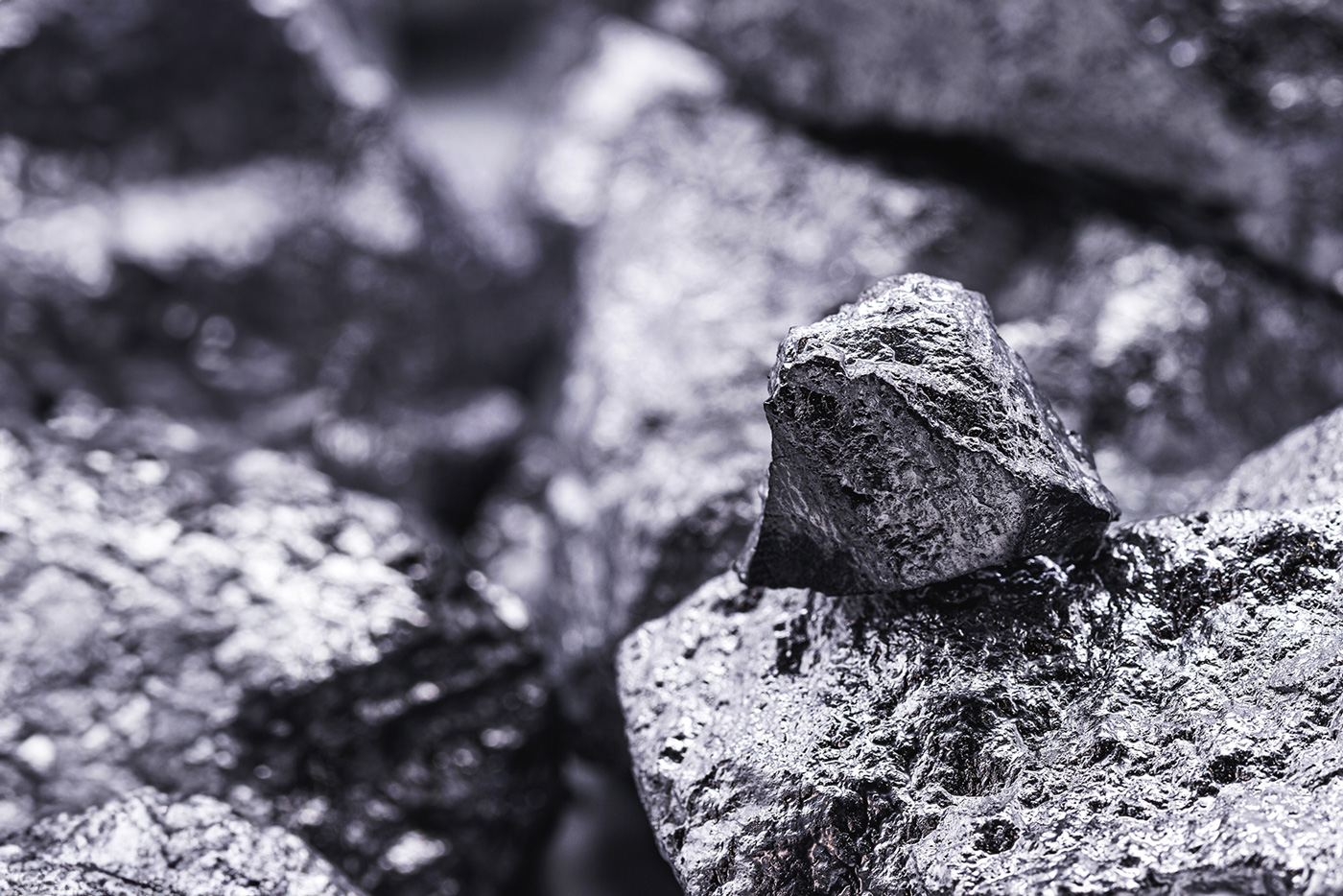
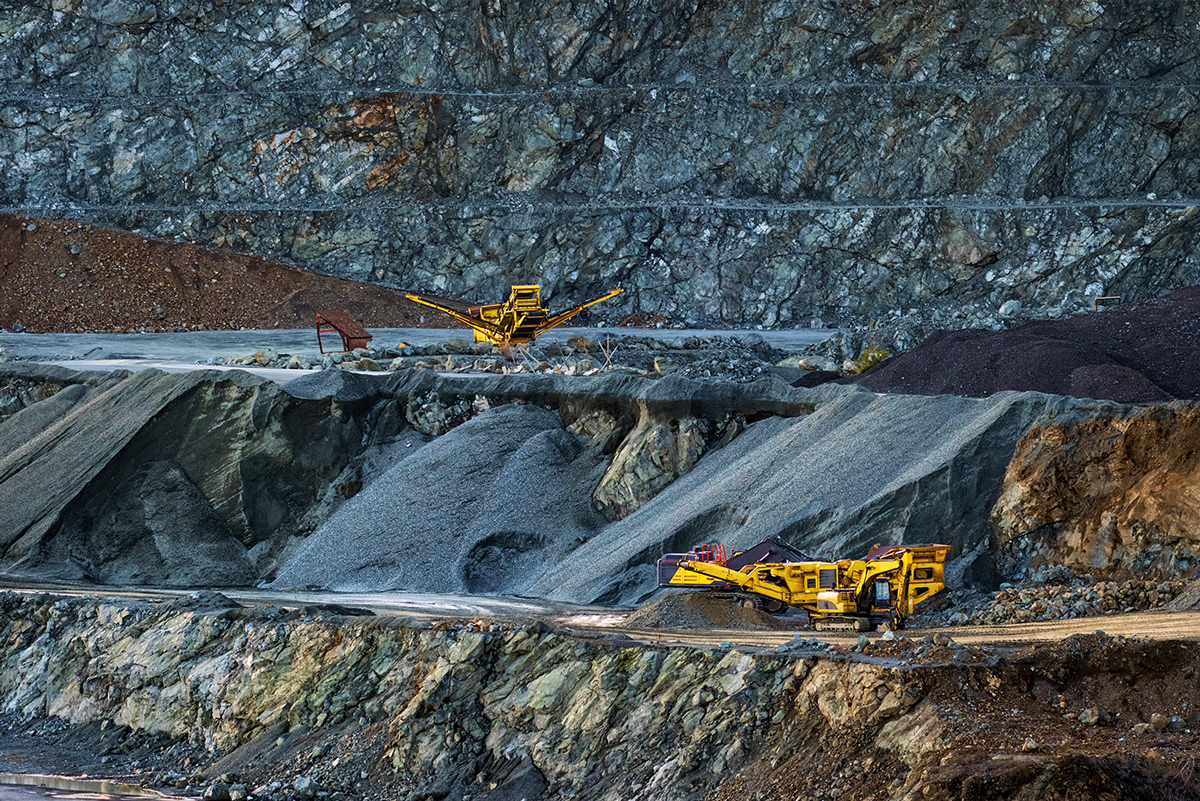
The most important economic source of zirconium is the mineral Zircon, chemically known as zirconium silicate.
It is mainly obtained as a by-product or co-product from heavy mineral sands. At the same time, zircon is an important natural source of hafnium, which occurs alongside zirconium in the mineral.
There are several complex processing, purification and classification stages between the extracted mineral and a specified metallic zirconium powder.
For industrial buyers, therefore, it is not just a question of whether the raw material is generally available.
Equally important are:
- specialised processing and treatment facilities
- reliable compliance with chemical limit values
- defined and reproducible particle size distributions
- consistent quality across different batches
- appropriate test, delivery and batch documentation
- packaging and handling tailored to the powder
One example of producers investing in the long-term stability of their raw material supply is Rio Tinto’s Zulti South project, which was given the go-ahead in March 2026. The investment is intended to secure the site’s supply of zircon, rutile and ilmenite well into the coming decades.
However, there is currently no evidence of a general global shortage of zircon.
Market reports from 2025 described the wider zirconium market in some instances as subdued and characterised by an oversupply.
At the same time, demand for high-quality products remained strong and, in the case of some suppliers, at times exceeded the available supply.
When it comes to specialised powder grades, it is not only the geological availability of the raw material that is decisive. Compliance with specifications, processing capacity, quality control, documentation and the number of suitable sources of supply can play an equally important role in ensuring actual security of supply.
Zirconium also continues to be of great importance in the long term from a technological perspective.
The material is used, amongst other things, in the Power generation, in heat protection systems, in heavy-duty components and in other demanding fields of technology.
However, it should not automatically be concluded from this that CL2 or CL3 zirconia powder is suitable for every application within these ranges.
The specific suitability of the powder grade must always be assessed on the basis of the technical specification and the relevant process.
Zircon, zirconium oxide and zirconium powder: what is the difference?
The terms ‘zircon’, ‘zirconium oxide’ and ‘zirconium powder’ are sometimes confused with one another. It is important to draw a clear distinction between them for technical procurement purposes.
- Zircon is a naturally occurring mineral with the chemical formula ZrSiO4. It is an important raw material for the extraction of zirconium.
- Zirconium oxide, often referred to as zirconia, has the chemical formula ZrO2. It is a ceramic compound with different properties and applications to metallic zirconium.
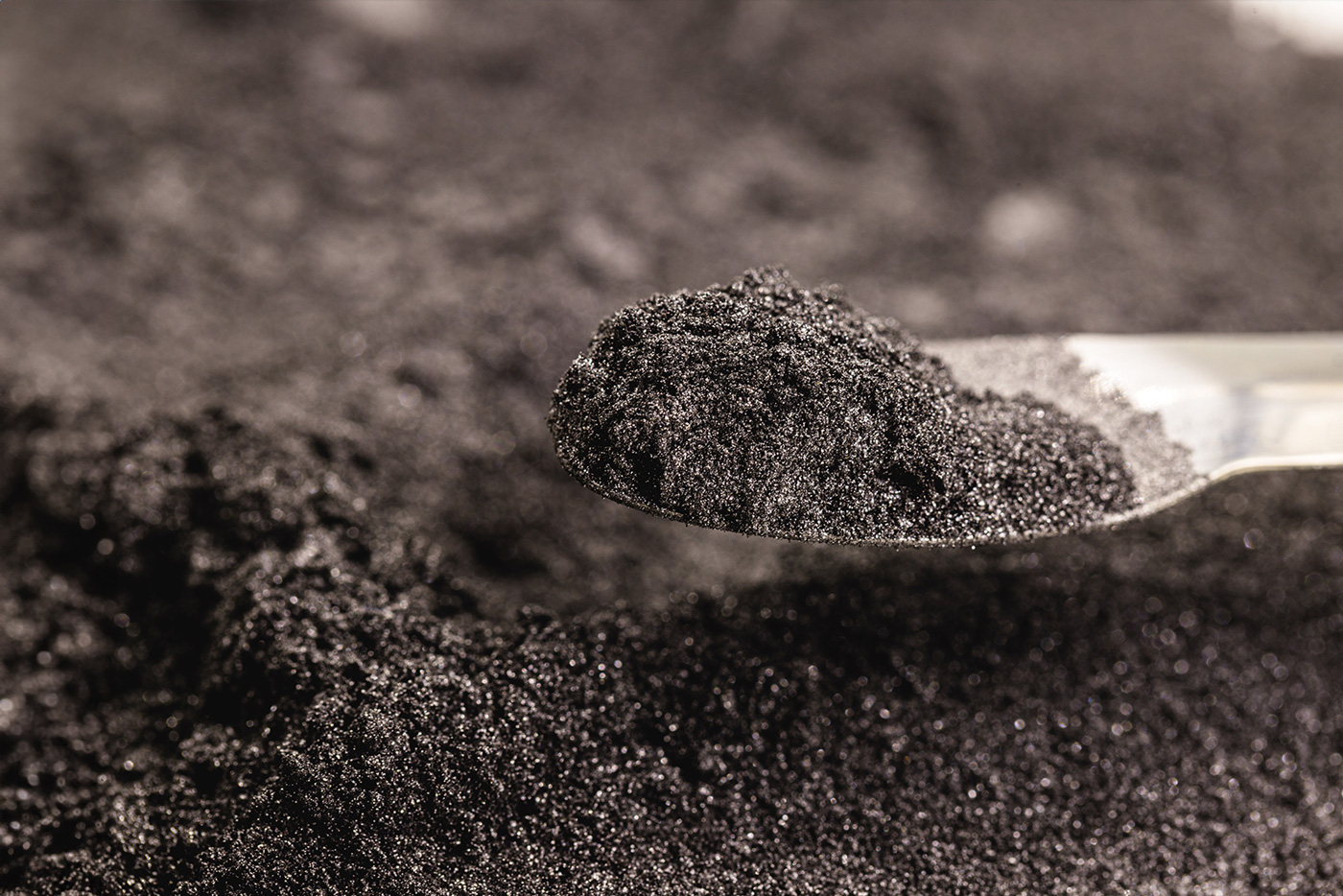
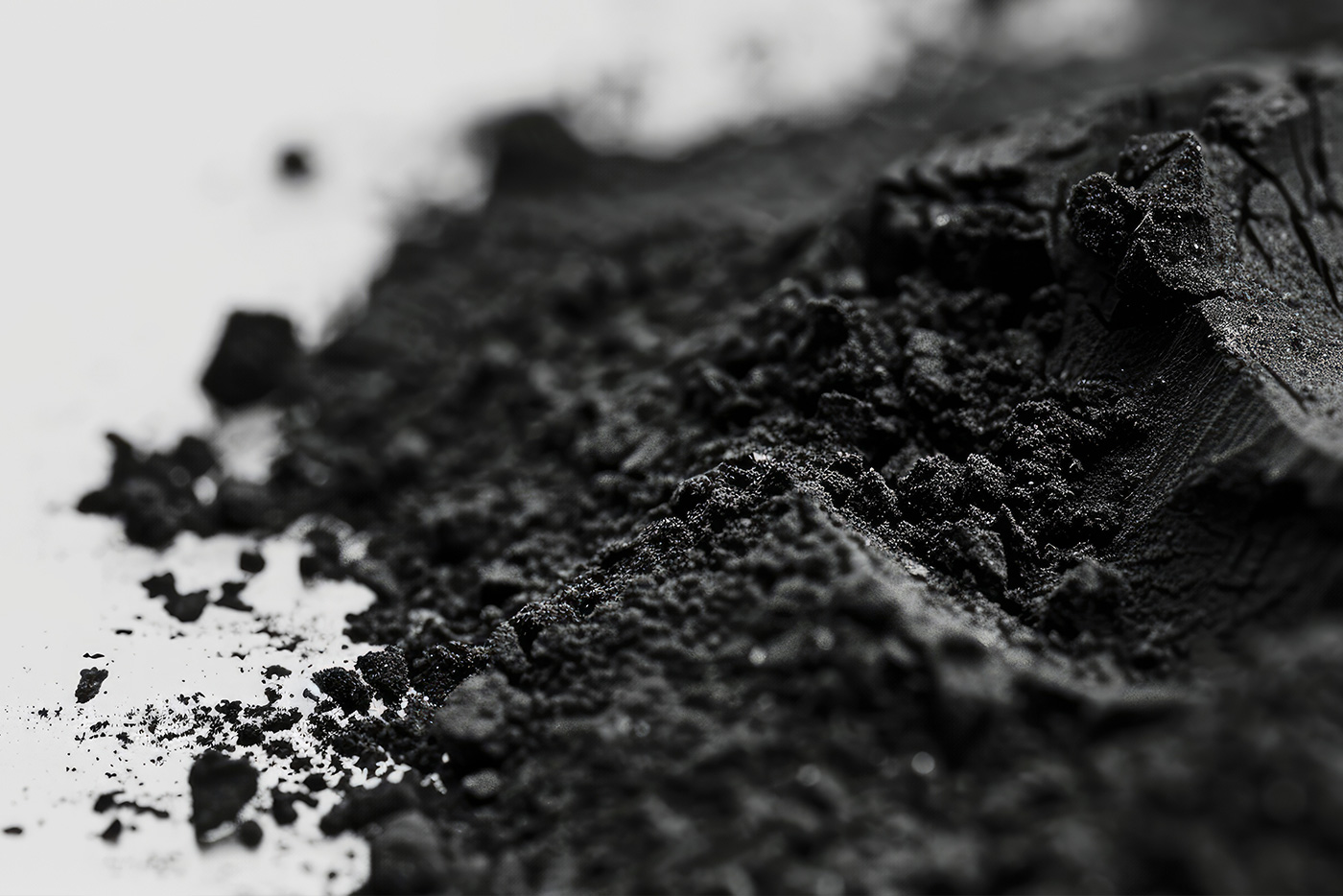
- Zirconium powder consists of metallic zirconium in powder form. Depending on its particle size, composition, surface and process conditions, it can exhibit significant reactivity.
Type 1 CL2 and Type 1 CL3 powders are specified grades of metallic zirconium powder in accordance with MIL-Z-399D.
In addition, we offer pure zirconium powder for other industrial and scientific requirements.
What does MIL-Z-399D Type 1 CL2 or CL3 mean?
MIL-Z-399D is the technical specification according to which the two types of zirconia powder are classified. In our product range, they are designated as:
- Zirconium powder type 1 CL2
- Zirconium powder type 1 CL3
conducted.
The grades define different requirements for sieve analysis and, consequently, for the particle size distribution.
The chemical limit values for both variants are identical. The main difference between CL2 and CL3, which can be clearly demonstrated, therefore lies in the particle size class.
Where possible, the designation should be provided in full when making an enquiry. The general term „zirconia powder“ is often insufficient, as different grades and particle size distributions may be available even within the same specification.
Zirconia powder CL2: Specification and particle size distribution
The Zirconium powder type 1 CL2 has a particle size distribution of less than 177 µm.
Sieve analysis of CL2
- 100 % below 177 µm
- at least 98 % particles smaller than 149 µm
- a maximum of 50 % particles smaller than 74 µm
- a maximum of 25 % particles smaller than 44 µm
- a maximum of 2 % particles smaller than 10 µm
CL2 therefore has a broader and, overall, coarser particle size distribution than CL3.
At the same time, the proportion of particles finer than 10 µm is limited to a maximum of 2 %.
This combination may be relevant for processes in which, in addition to a defined reaction profile, dosing capability, mixing behaviour and the limitation of very fine particles are also crucial.
Whether CL2 is the right choice for a specific process must be assessed on the basis of the application and the required processing or reaction properties.
Chemical limit values for CL2
- Zr + Hf: at least 96.0 %
- Iron: maximum 0.30 %
- Calcium: maximum 0.05 %
- Aluminium: maximum 0.10 %
- Chlorine: maximum 0.03 %
- Hydrogen: maximum 0.20 %
- Silicon: maximum 0.10 %
- Tin: maximum 0.75 %
Zirconia powder CL3: Specification and particle size distribution
The Zirconium powder type 1 CL3 has a finer particle size range. Its particle size distribution is entirely below 88 µm.
Sieve analysis of CL3
- 100 % below 88 µm
- at least 98 % particles smaller than 74 µm
- a maximum of 10 % particles smaller than 20 µm
CL3 therefore contains no particles larger than 88 µm. At least 98 % of the particles are smaller than 74 µm. The overall particle size is therefore significantly finer than that of CL2.
The finer particle size distribution may be relevant for applications where a uniform distribution, a larger specific surface area or a precisely tailored reaction behaviour is required.
At the same time, finer metal powders may place greater demands on storage, dosing, health and safety, and process control.
Chemical limit values for CL3
The same chemical limit values as those listed for CL2 apply to CL3:
- Zr + Hf: at least 96.0 %
- Iron: maximum 0.30 %
- Calcium: maximum 0.05 %
- Aluminium: maximum 0.10 %
- Chlorine: maximum 0.03 %
- Hydrogen: maximum 0.20 %
- Silicon: maximum 0.10 %
- Tin: maximum 0.75 %
A direct comparison of CL2 and CL3 zirconia powders

The comparison shows that: CL3 is not necessarily a better version of CL2. Both classes meet different requirements.
The selection must be based on the actual process and the specified requirements.
CL2 may be appropriate where a broader distribution and a particularly limited proportion of particles smaller than 10 µm are required.
CL3, on the other hand, is an option when a finer overall grain size with at least 98 % below 74 µm is required.
How does the particle size distribution affect the application?
In the case of metallic powders, particle size affects more than just dosing and processing.
It also affects the specific surface area, mixing behaviour, particle packing and reaction characteristics.
Specific surface area and reactivity
The smaller the particles, the greater their surface area in relation to their volume. As a result, a finer powder can react more strongly or more rapidly with its surroundings or with other components of a system.
With CL3, the finer overall grain size generally means that its behaviour is likely to differ from that of CL2.
However, the actual effect also depends on the formulation, the compaction, the temperature, the surrounding atmosphere and other process parameters.
Dosing properties and mixing behaviour
Coarser powders or those with a wider particle size distribution are easier to dose and handle in certain processes.
Very fine powders, on the other hand, may be more prone to agglomeration and place greater demands on closed dosing and processing systems.
The choice between CL2 and CL3 should therefore not be made solely on the basis of a single limit value.
The overall particle size distribution and its effect within the specific process are crucial.
Reproducibility and batch-to-batch consistency
For applications with narrow process windows, a consistent particle size distribution is particularly important.
Variations between different batches may be influenced by the following factors, amongst others:
- Reaction time and reaction intensity
- Heat generation
- Mixing behaviour
- Dosing accuracy
- Compaction and packing behaviour
- Quality and reproducibility of the end product
A technical data sheet therefore forms the basis for pre-selection, but does not replace the sampling and approval stages within your own process.
Further information can be found in our technical article on the The effect of particle size on metal powders.
Typical applications of CL2 and CL3 zirconia powder
The combination of a defined particle size and reactive metal makes CL2 and CL3 attractive for specialised industrial applications.
Particularly relevant are processes in which a controlled energy release, a reproducible reaction or the Compliance with strict technical specifications is required.
Pyrotechnic functional components and signalling technology
Due to its reactivity, zirconium powder can generate intense heat and light effects.
This makes it generally suitable for pyrotechnic functional components, signalling devices and other systems in which a defined and reproducible release of energy is required.
For developers, procurement officers and quality managers in charge, the following requirements are of particular importance:
- defined response characteristic
- reproducible reaction time
- controlled particle size distribution
- consistent chemical composition
- reliable batch and test documentation
- Appropriate packaging and safe handling
Due to its finer overall grain size, CL3 may be suitable for applications where a precisely tailored and homogeneous reaction behaviour is required.
CL2, on the other hand, offers a coarser particle size distribution, with the proportion of particles smaller than 10 µm limited to a maximum of 2 %.
The final selection must always be made on the basis of the approved specification and practical testing within the relevant system.
Precision ignition and initiation systems
In regulated ignition and initiator systems, even slight variations in powder distribution can influence process and reaction behaviour. For this reason, the general specification „zirconium powder“ is not sufficient when procuring the material.
Relevant information includes, amongst other things:
- Type and class of the required powder quality
- complete sieve analysis
- permissible proportion of fine particles
- minimum and maximum chemical levels
- required response characteristics
- binders or carrier materials used
- Testing, documentation and traceability requirements
The comparison between CL2 and CL3 aids the technical shortlisting process.
However, final approval must always be given within the relevant system and in accordance with the applicable security and process requirements.
Aerospace
In the Aerospace Materials and powder grades are required for components that must function reliably under demanding thermal, mechanical and chemical conditions.
When selecting a zirconia powder, the specific function of the component, the subsequent processing and the underlying specification are crucial.
The general technological importance of the element zirconium should not be equated with the assumption that every grade of powder is equally suitable for all applications.
Sintering technology and precision components
Defined powder distributions are also used for Sintering processes and sintered components relevant. Among other things, they influence the packing of the powder, the compaction and the homogeneity of the raw material.
CL2 and CL3 can be tested for highly specialised sintering or pressing processes, depending on the required process window. To do this, the powder grade, pressing pressure, temperature control, atmosphere and component geometry must all be coordinated.
Simply complying with the upper grain size limit is not sufficient for a final suitability assessment. Other factors, such as grain shape, bulk density, oxygen content and compaction behaviour, may also be relevant.
Additive manufacturing
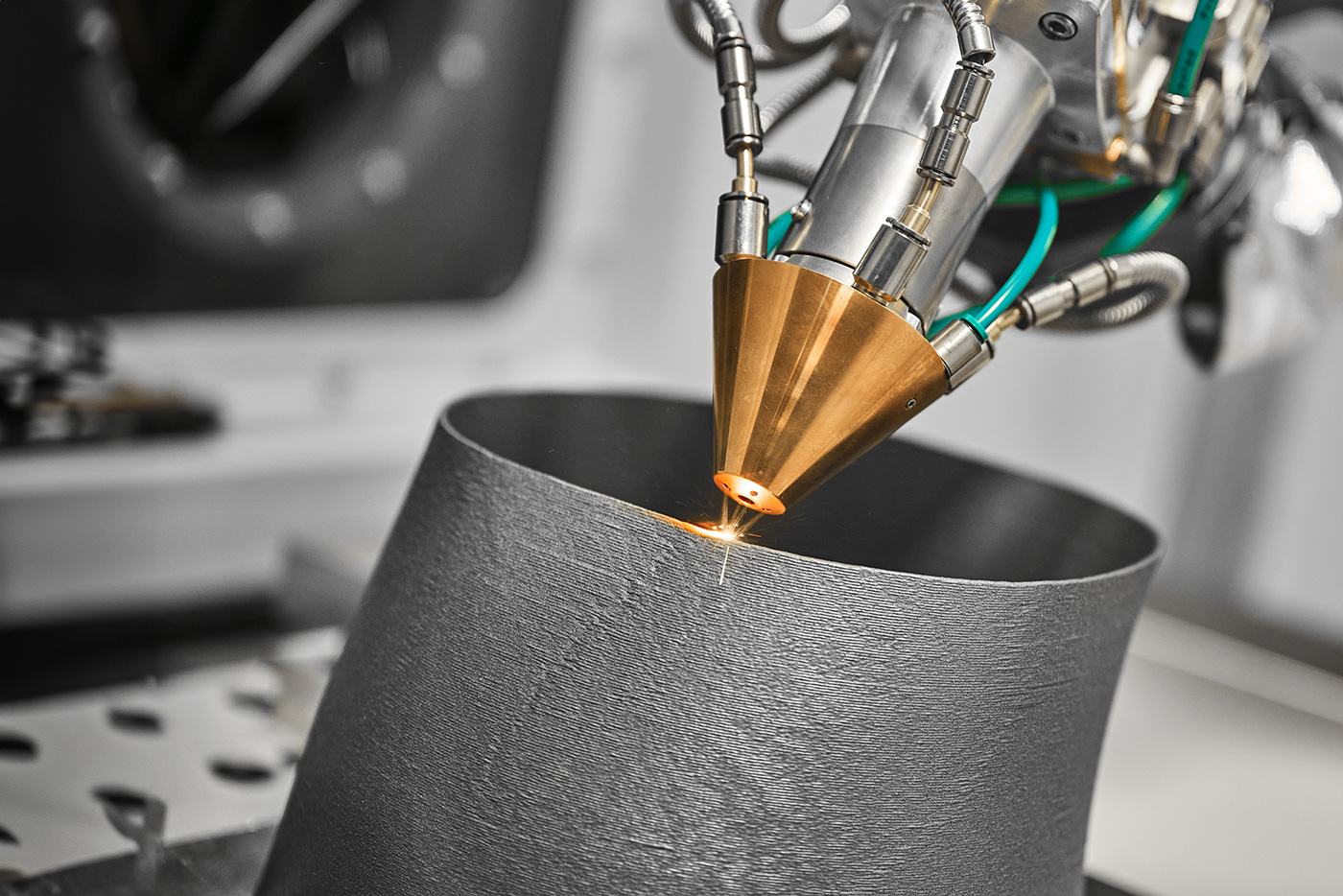
Zirconia powder can, in principle, also be used for selected processes in the additive manufacturing be checked.
However, the suitability of CL2 or CL3 for a specific production system cannot be determined solely on the basis of the upper grain size limit.
Other important criteria include:
- Grain shape and morphology
- Flowability
- Bulk density and tapped density
- Oxygen and foreign substance content
- manufacturing process used
- Plant and process parameters
- Inert atmosphere
- Safety and Handling Policy
Before use, it is therefore necessary to check whether the specific grade of powder can be qualified for the system in question and the intended component.
Surface coatings and specialised processes
Zirconia powder can also be used for selected Surface coatings and specialised industrial processes may be considered.
The particle size distribution, temperature behaviour and chemical properties can play an important role in this context.
However, the general properties of bulk zirconium cannot automatically be applied to a specific powder or a coating produced from it. It is essential to carry out a comprehensive characterisation of the material and to test it within the intended coating or manufacturing process.
What details should buyers provide when making an enquiry?
The more precisely the enquiry is worded, the quicker we can determine which grade of powder is suitable and available for the intended application.
The following information should be included where possible:
- Product category: Type 1 CL2 or Type 1 CL3
- Specification: MIL-Z-399D
- Specific application: for example, signalling technology, ignition systems, sintering processes or coating
- desired particle size distribution
- required quantity
- one-off or regular requirements
- Requirements for test certificates and batch documentation
- permissible chemical limit values
- Packaging and delivery requirements
- preferred delivery period
Early consultation is particularly advisable for projects that involve extensive qualification, testing or documentation. It reduces the risk that a metal grade which is fundamentally suitable cannot be used in the intended process due to an unsuitable powder grade, particle size distribution or documentation.
Frequently asked questions about CL2 and CL3 zirconia powder
Conclusion: It is not the finest grade, but the most suitable grade of powder that matters
Zirconium is becoming increasingly important both economically and strategically due to its significance for the energy, aerospace and other demanding, safety-critical high-tech sectors.
At the same time, a distinction must be made between the general availability of zircon as a raw material and the procurement of zirconia powder of a quality that meets the specifications.
For Zirconia powder, Type 1 CL2 and Type 1 CL3 the main difference, which is clearly documented, lies in the particle size distribution:
- CL2: entirely below 177 µm
- CL3: entirely below 88 µm
According to the data sheets available, both variants have the same chemical limit values listed.
Which class is suitable therefore depends primarily on the process, the desired reaction characteristics, the dosage, the documentation requirements and technical approval.
Consulting an experienced metal powder partner at an early stage helps to avoid incorrect procurement, unnecessary rounds of sampling and delays in projects that require extensive qualification.
You can find an overview of the available variants on our category page for Zirconia powder for industry and research.
Sources and further information
- U.S. Geological Survey: Final 2025 List of Critical Minerals
- U.S. Geological Survey: Zirconium and Hafnium Statistics and Information
- Rio Tinto: Zulti South investment to secure long-term supply
- Kenmare Resources: The Zircon Market in 2025 and Outlook for 2026
- International Energy Agency: Global Energy Review 2026
Finding the right supplier of zirconia powder
When it comes to zirconia powder, price alone does not determine whether a product is suitable for a particular application.
Equally important are the correct powder grade, a defined particle size distribution, traceable quality data, suitable packaging conditions and a reliable supply chain.
Particularly in the case of demanding and highly specialised applications, using the wrong grade of powder can lead to additional sampling, delays or costly mispurchases.
For this reason, a supplier should not only provide the required specifications, but also be able to understand the requirements of the relevant process and interpret them from a technical perspective.
Why NMD is the right partner for your procurement needs
As an owner-managed family business, NMD Metalpowders has more than 25 years’ experience in the manufacture, processing and procurement of metal powders.
We provide advice that is independent of any particular manufacturer and work with you to determine which powder grade and specification are best suited to your application.
- Personal advice: You will liaise directly with experienced contacts and receive a personalised assessment of your requirements.
- Independent procurement: Thanks to our international network of suppliers, we are not limited to the products of a single manufacturer.
- Technical expertise: In addition to grain size, we also take into account processing, storage, protective measures and documentation requirements.
- Flexible solutions: We will look into sourcing options to suit your requirements and the quantity needed.
- Quality and discretion: Consistent powder quality, reliable calibration and the confidential handling of your project data are our top priorities.
Do you require Type 1 CL2 zirconia powder, Type 1 CL3 zirconia powder or another grade of zirconia powder?
Apply now an enquiry via our form Please let us know your specifications, the desired particle size distribution, the quantity required and your documentation requirements. We will assess the most suitable solution for your application and support you every step of the way, from selection through to procurement.