Metal powders for precise, reproducible and sophisticated additive manufacturing processes – tailored to your application, plant and quality requirements.
Metal powders for demanding additive manufacturing processes
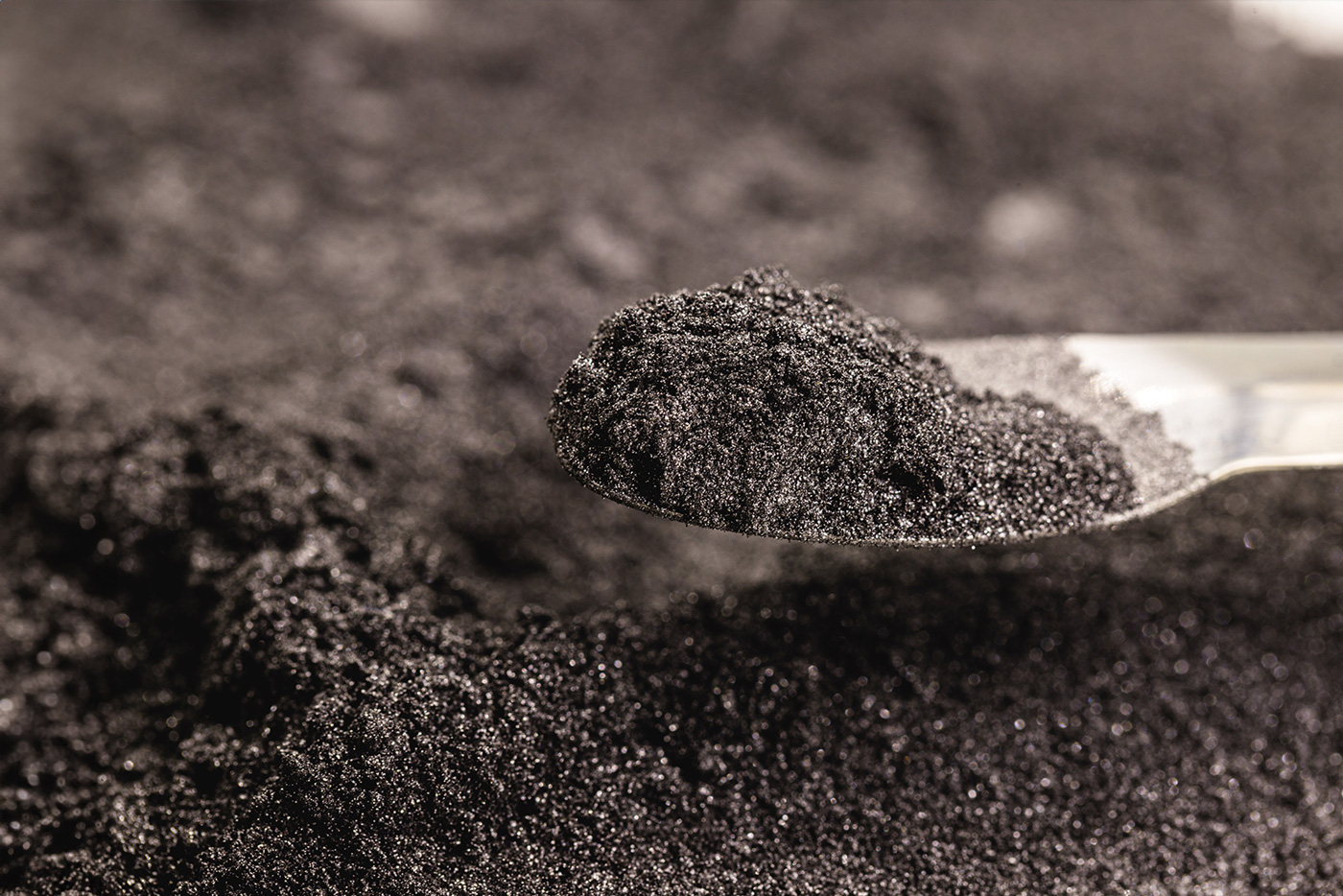
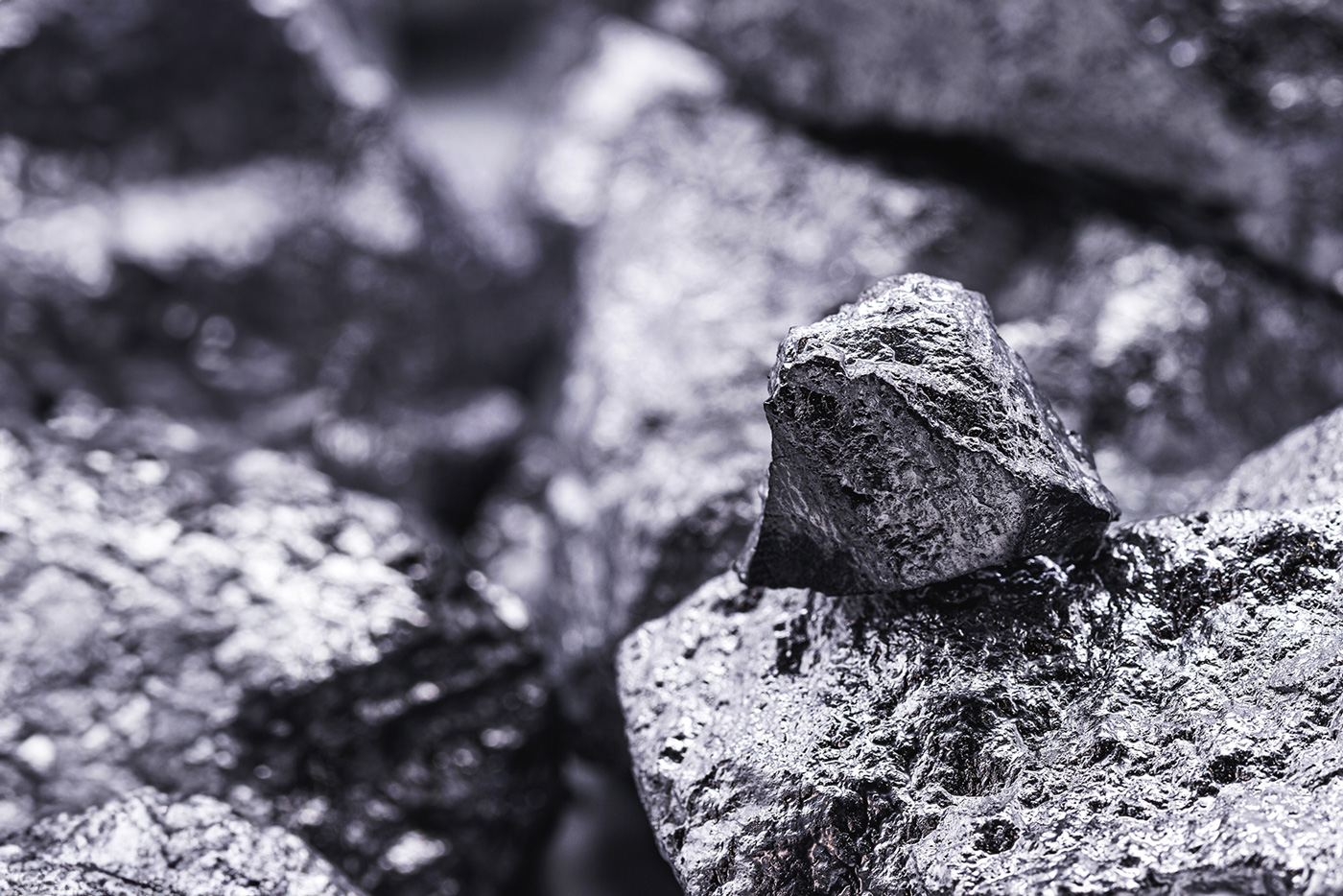
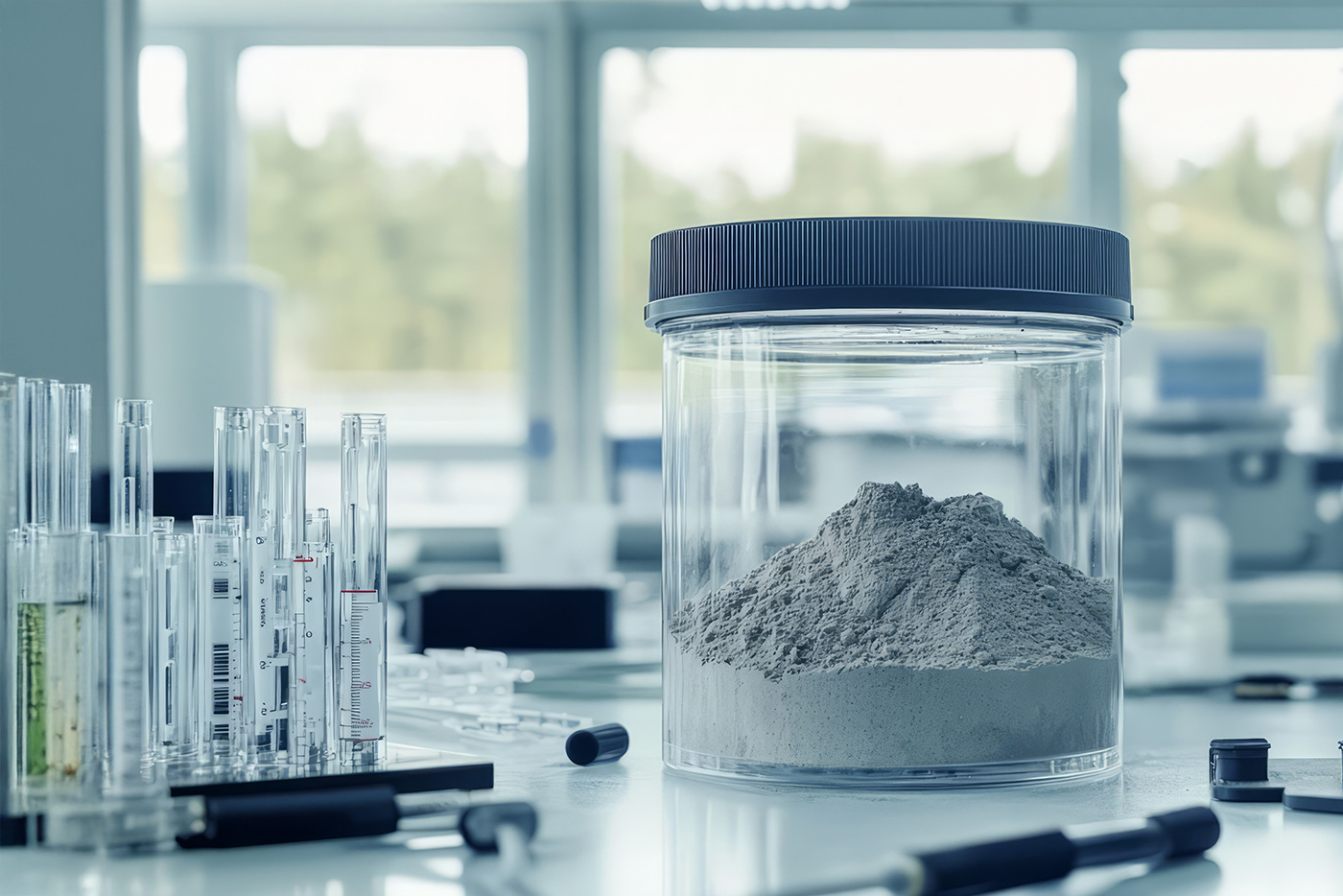
NMD Metalpowders offers a range of metal powders and alloy powders for industrial additive manufacturing applications. The appropriate powder grade depends on the equipment used, the component, the desired grain size and the required material properties.
We support buyers, development engineers, production managers and quality managers in defining requirements and sourcing suitable metal powders for development, prototyping and series production.
Metal powders suitable for your additive manufacturing process
Powder quality tailored to the process: Particle size, morphology, purity and other material properties are tested to ensure they are suitable for the intended application and the manufacturing system used. This enables an early assessment of which powder quality is suitable for further qualification.
Consistent material properties: Defined specifications, traceable batch data and harmonised documentation requirements help to ensure consistent conditions for sampling, process approval and series production.
Flexible procurement: NMD assesses suitable powder grades and quantities for development projects, initial sampling, pilot applications and recurring production requirements.
Which additive manufacturing processes use metal powders?
Metal powder is processed using various additive manufacturing processes: as a loose powder bed, via a controlled powder feed, or as a component of a bound feedstock. Consequently, the requirements regarding particle size, flowability, metability and further processing also vary.
Laser powder bed fusion (PBF-LB/M): Thin layers of metal powder are applied and selectively melted using a laser. The process enables the production of precise components and complex geometries. The terms SLM and DMLS, which are commonly used in practice, are often associated with this field of technology.
Electron beam powder bed fusion (PBF-EB/M): The powder is processed layer by layer under vacuum using an electron beam. The process is suitable for, amongst other things, selected titanium and high-temperature materials, and places particular demands on the powder and process control.
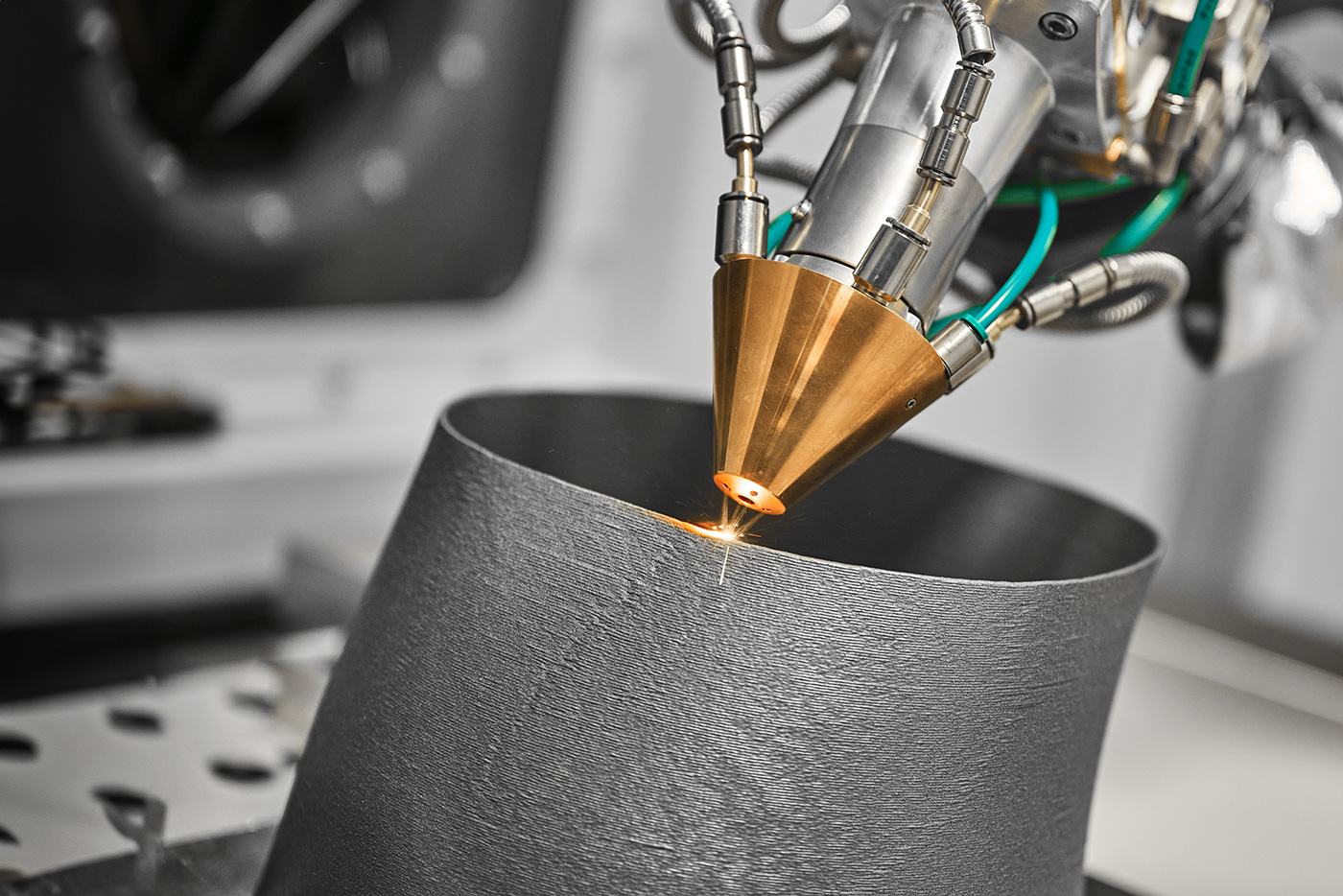
Directed Energy Deposition (DED): Powder or wire is fed directly into a locally generated molten zone. The process is particularly suitable for repairs, localised material deposition, larger components and selected Welding applications and Surface coatings.
Metal Binder Jetting: A liquid binder bonds the metal powder layer by layer to form a green part. This is followed by debinding and sintering. A suitable packing density, uniform powder distribution and controlled sintering behaviour are particularly important. You can find further basic information in our Sintered moulded parts.
Metal extrusion: The metal powder is contained within a binder-based feedstock, which is processed layer by layer. The printed green part is then debound and sintered. The key factor is the balance between the metal powder, the binder and the heat treatment.
Each group of processes places different demands on the raw material.
For this reason, the quality of the powder must always be tailored to the manufacturing system used, the component geometry and the required material properties.
What properties must metal powders for additive manufacturing possess?
Metal powder is a key component of the entire additive manufacturing process.
Even differences in grain size, grain shape or chemical composition can influence the manufacturing process and the properties of the resulting component.
To ensure stable processes and consistent component quality, several powder properties must be specifically matched to one another.
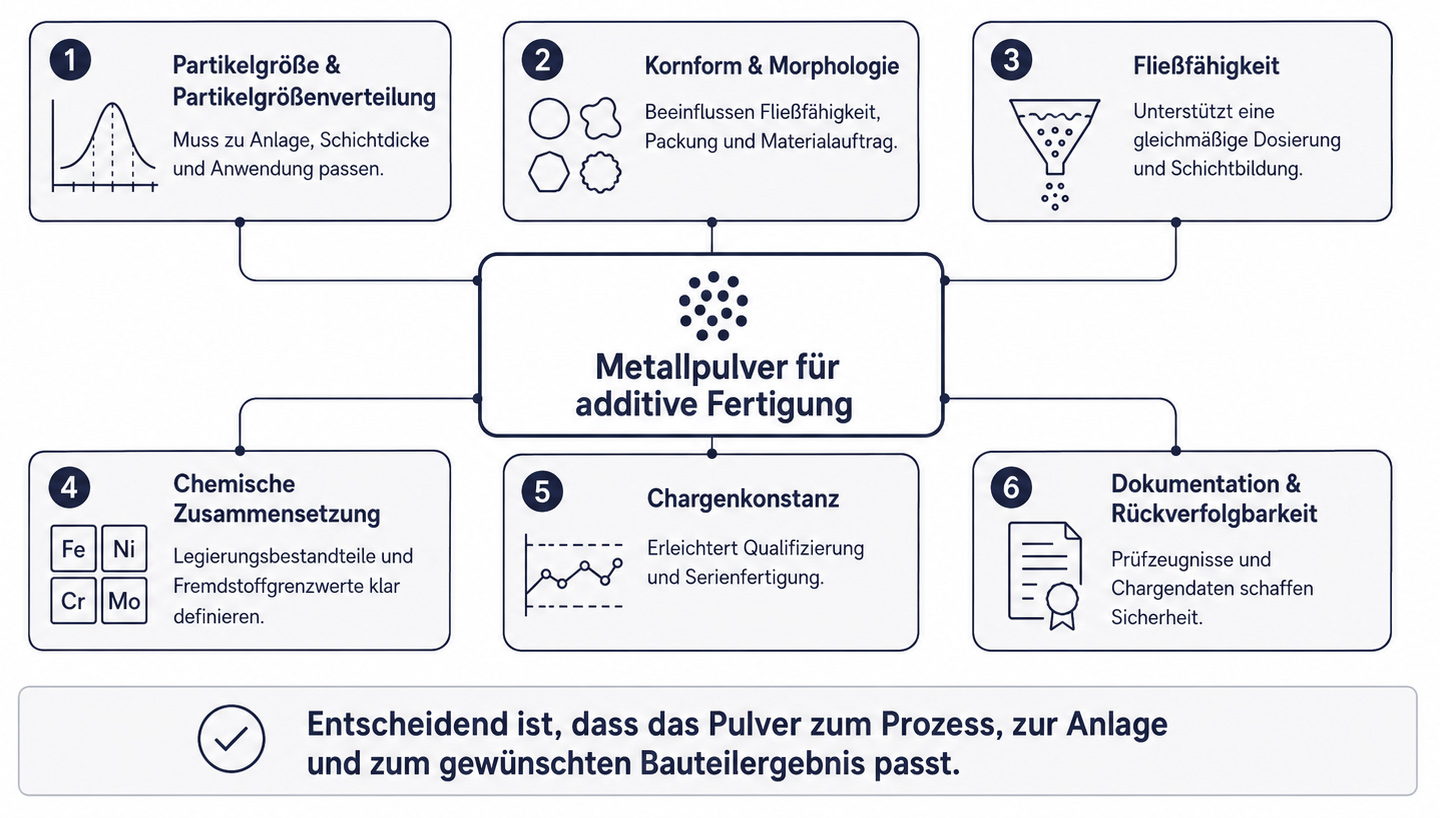
The most important selection criteria include:
Particle size and particle size distribution: Must be suitable for the system, the film thickness and the intended application.
Grain shape and morphology: They affect flowability, packing behaviour and material application.
Flowability: Helps to ensure even dispensing and layer formation.
Chemical composition: Alloying elements and relevant impurity limits must be clearly defined.
Batch consistency: Consistent powder properties facilitate qualification and subsequent mass production.
Documentation and traceability: Test certificates and batch data provide assurance in quality-critical applications.
The finest grade available is not necessarily the best choice. What matters is that the powder is suitable for the process, the equipment and the desired component outcome.
Customers from these industries benefit from our metal powder solutions for additive manufacturing
Automotive industry: Additive manufacturing is used, amongst other things, for prototypes, tools, jigs, lightweight components and selected small-batch production runs.
Aerospace: Lightweight, high-strength components, complex internal structures and functionally integrated parts are among the most important areas of application.
Machine and tool construction: Typical applications include tool inserts, contour-following cooling systems, spare parts and custom-made precision components.
Electrical engineering and Electronics: Metal powders enable the production of conductive components, cooling structures and parts for thermal and energy management.
Energy generation: Additive manufacturing processes are suitable for heat exchangers, specialised functional components, repair applications and components for modern energy systems.
Manufacturing industry: Customised components, small-batch production, spare parts and flexible production solutions can be provided to meet your specific requirements.
Medical technology: Additive manufacturing enables the production of customised implants, instruments and patient-specific components that meet high standards of precision, material quality and documentation.
Depending on the component requirements, different materials and alloys may be suitable.
The following powders represent a selection of particularly relevant groups of materials:
Grade 5 Ti-6Al-4V titanium powder: For lightweight and heavy-duty components where high specific strength and good corrosion resistance are required.
Aluminium-silicon powder: For lightweight components, complex geometries and applications where thermal conductivity and industrial processability are key requirements.
316L steel powder: For corrosion-resistant functional components, housings and a wide range of industrial applications.
Steel powder 1.2709: For tools, moulds and heavy-duty components with high requirements in terms of strength and precision.
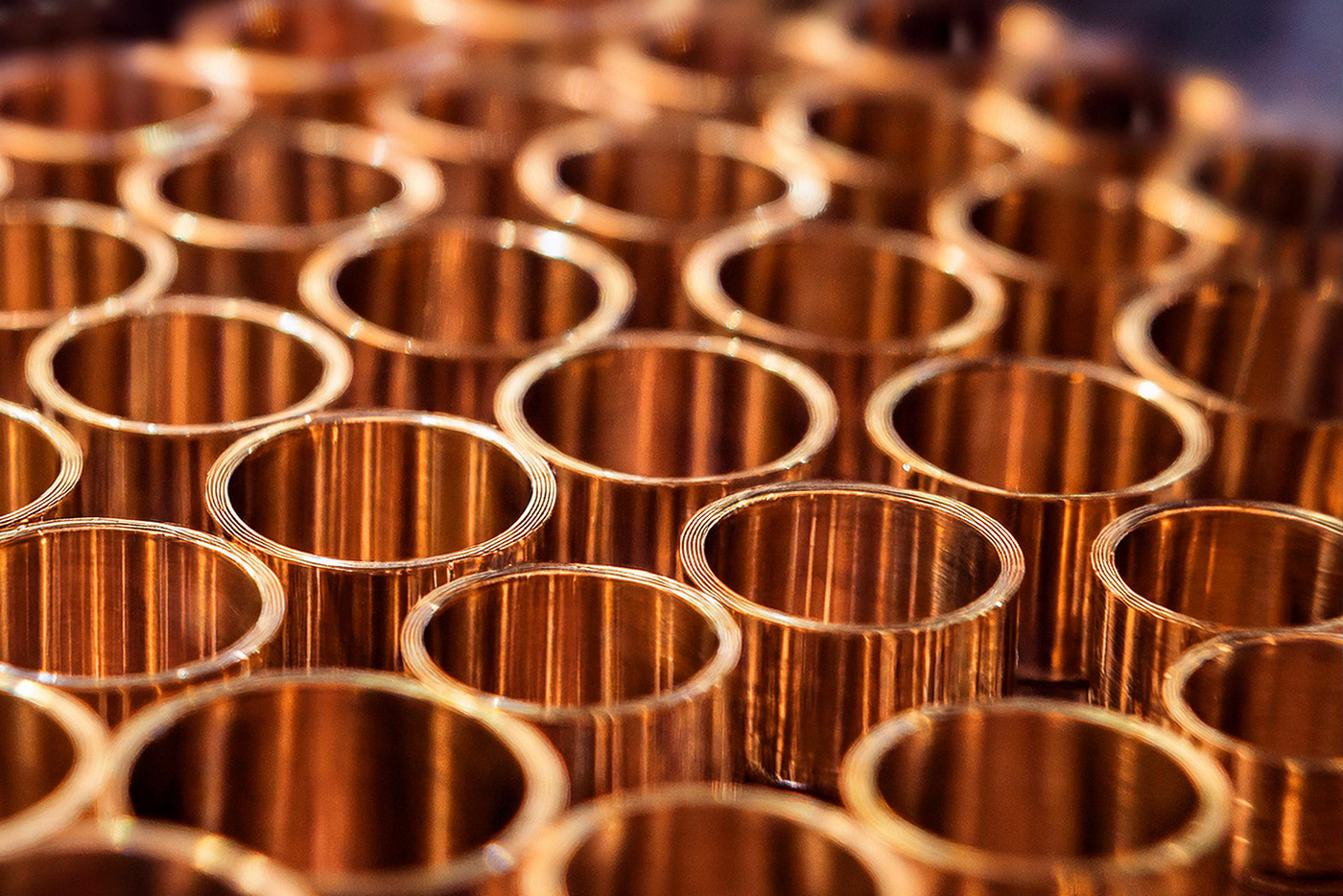
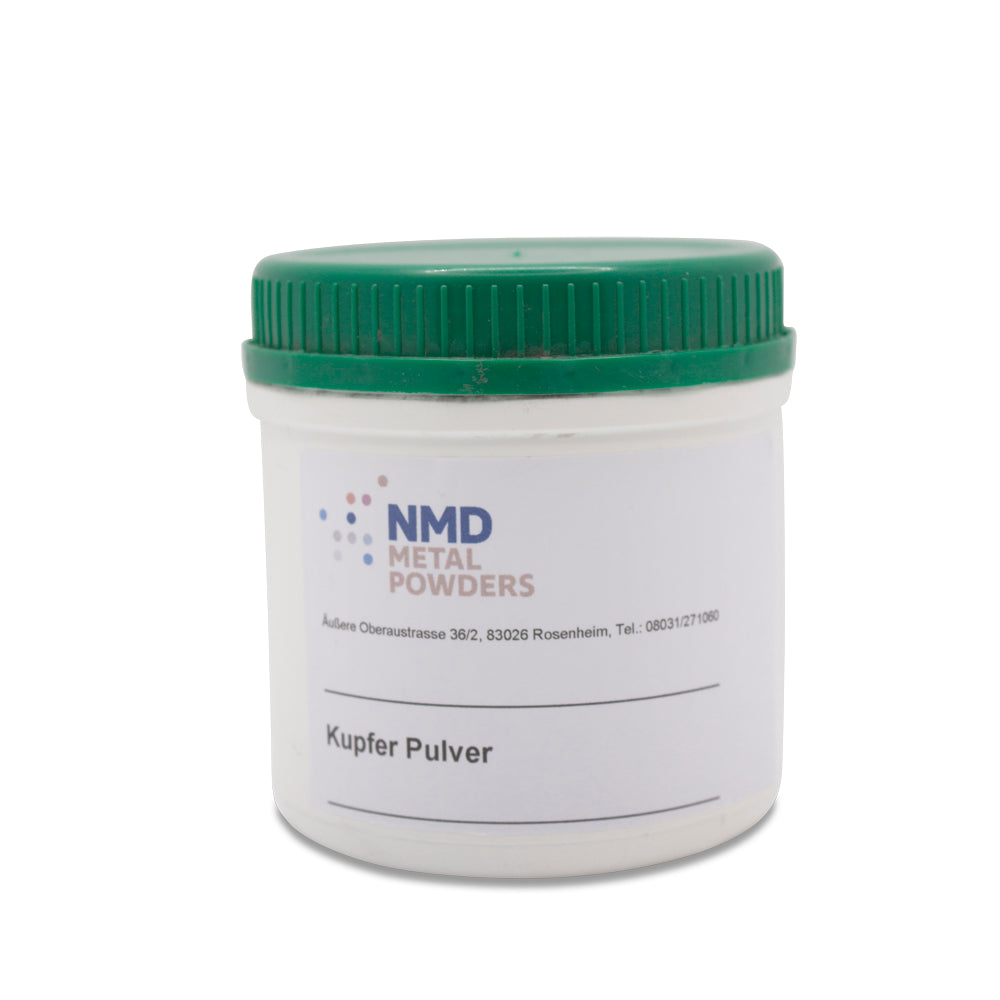
Copper powder: For electrically and thermally conductive components, cooling structures and heat management applications.
Unsuitable particle sizes, inconsistent batch properties or incomplete documentation can lead to additional sampling and process adjustments. NMD Metalpowders helps you narrow down the appropriate powder quality even before procurement.
With over 25 years’ experience, personalised advice and an international network of suppliers, we assess suitable metal powders for development, prototyping and production requirements – independently of individual manufacturers and with the necessary technical expertise to meet your requirements.
Do you need help choosing?
Submit an enquiry now via our Enquiry form. Together, we’ll assess which powder grade is best suited to your application.
Do you need metal powder for an additive manufacturing process?
Please let us know the process used, the plant, the desired material, the required particle size distribution, and your quantity and documentation requirements. We will assess the most suitable powder quality for your application.