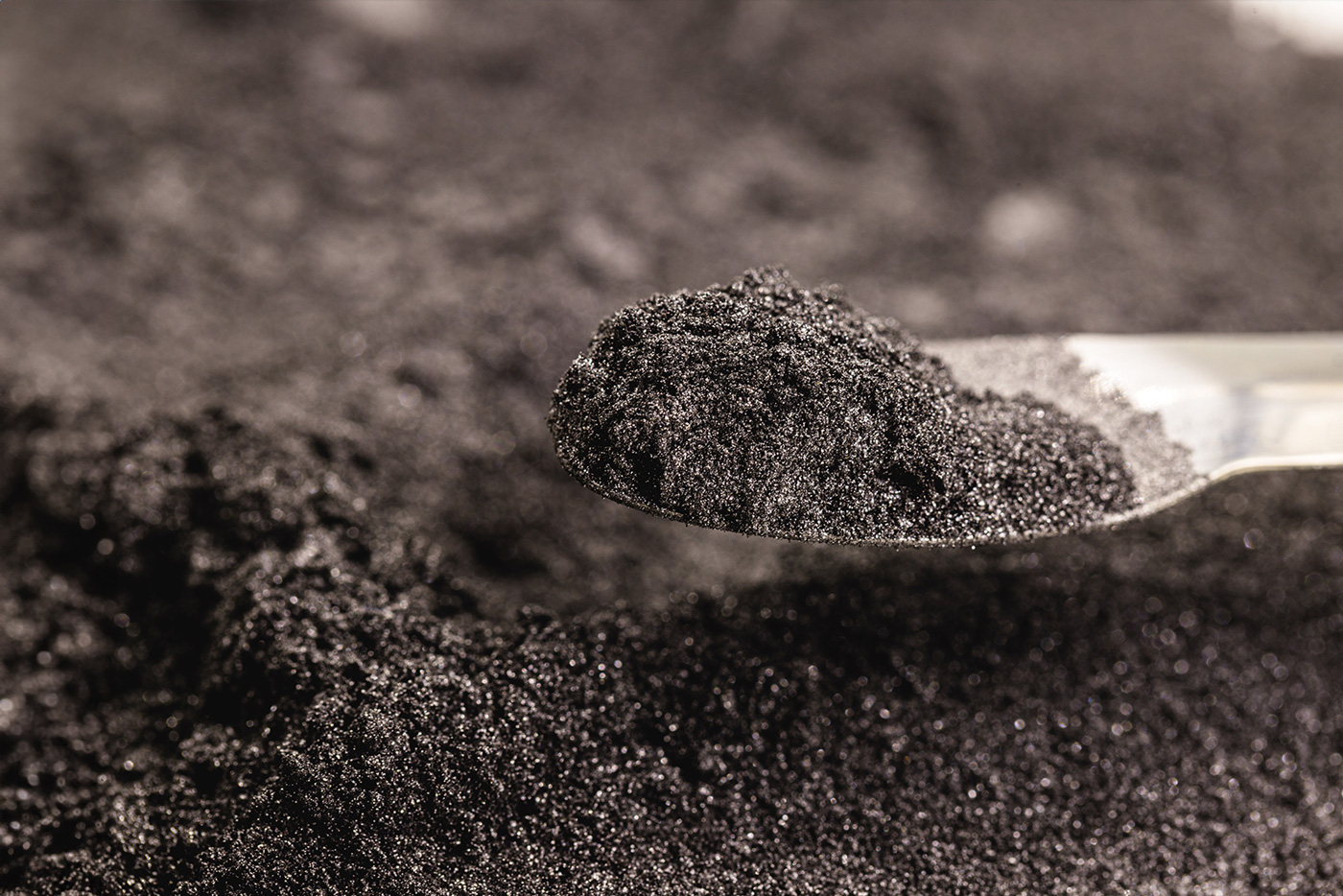
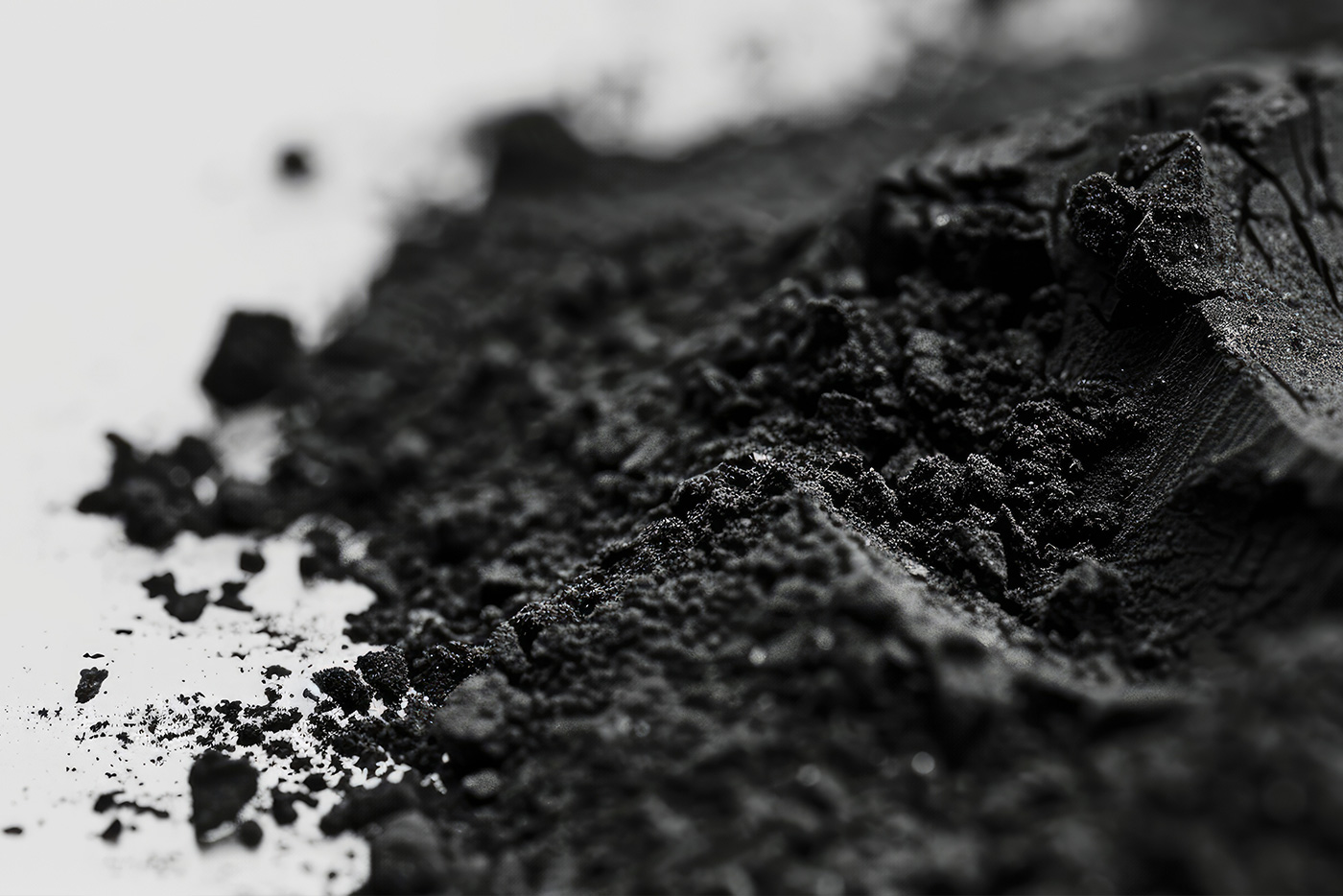
Bronze powder Copper-tin (CuSn) alloys are used in sintered bearings, sintered filters and for metallic surface effects. Typical applications range from powder metallurgy components, through the pigmentation of casting resins, paints and varnishes, to selected additive manufacturing processes.
Depending on the alloy composition, bronze offers good sliding properties as well as good resistance to wear and corrosion. In addition to the alloy itself, the grain size distribution and particle shape are also crucial for processing.
Composition and particle sizes
For many of the applications mentioned, Tin-bronze made from copper and tin is used. However, the term ‘bronze’ refers to a wider group of copper alloys. The proportion of copper and tin is therefore not the same for every type of bronze powder, but depends on the specific material specification.
- Material basis: Copper-tin alloys (CuSn) for a wide range of technical and decorative applications.
- Typical grain sizes: < 20 µm, < 45 µm, < 63 µm, < 75 µm and < 150 µm.
- Processing: Depending on the type of powder used for pressing and sintering, incorporation into binders or selected additive processes.
- Selection criteria: Alloy composition, grain size distribution, particle shape and, depending on the process, flow behaviour.
Among other things, grain size influences processing behaviour and the achievable surface texture. In the case of porous sintered components, it also plays a role in the formation of pores. The size ranges mentioned therefore do not, on their own, constitute a complete powder specification.
Applications of bronze powder
Sintered bearings and plain bearings
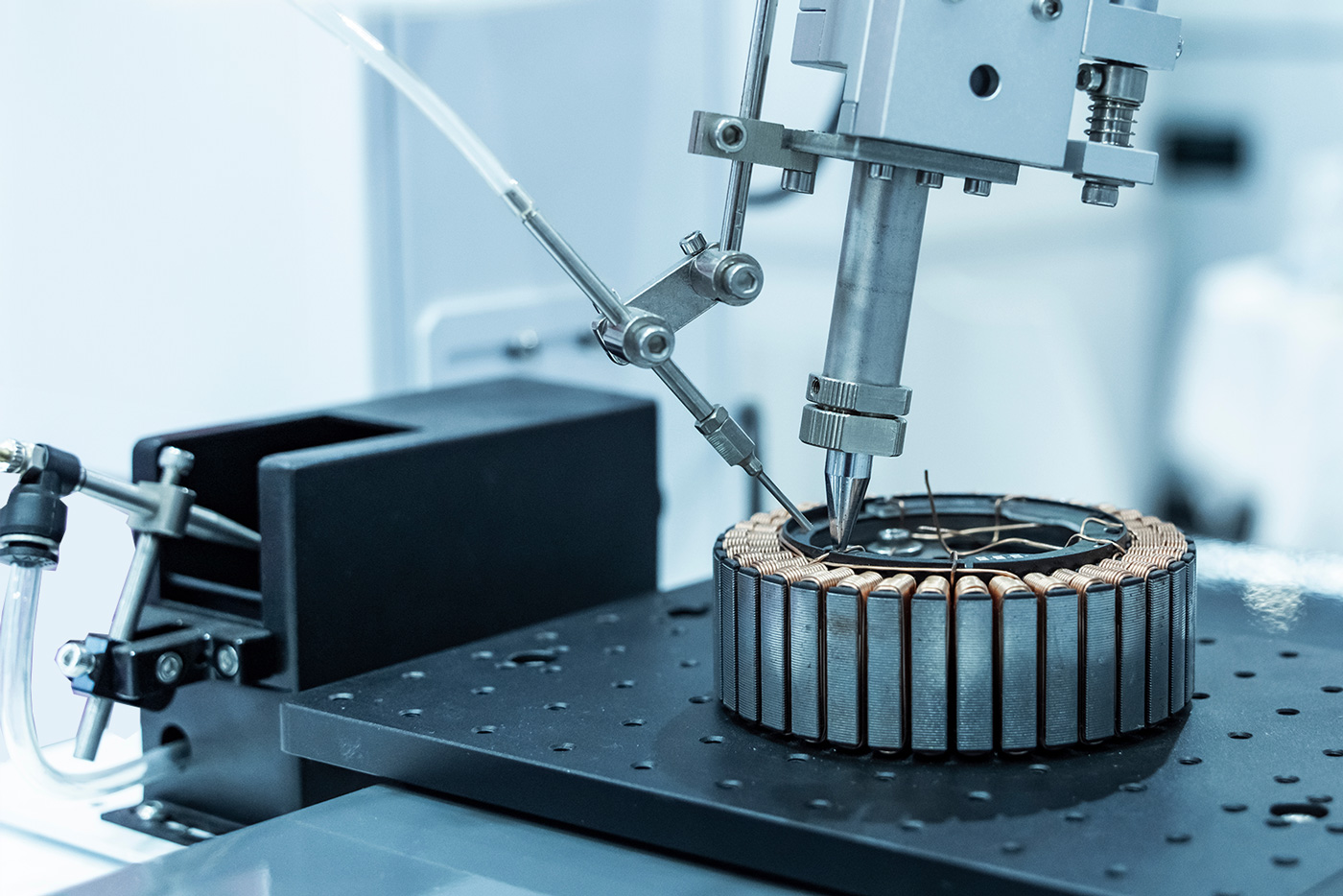
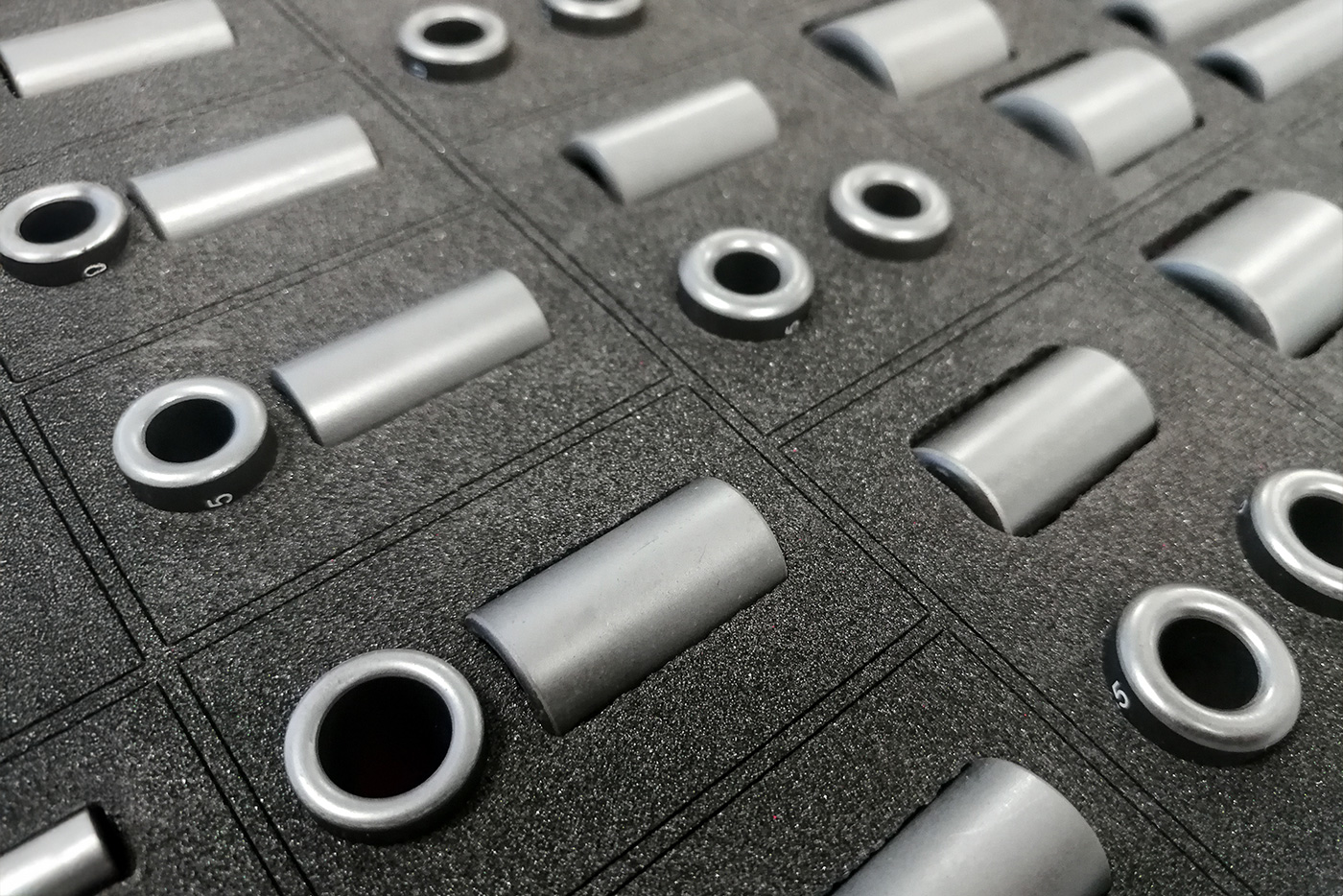
Bronze powder is used in the manufacture of bearings, bushings and other Sintered moulded parts used. Through pressing and subsequent sintering, components are produced whose density and porosity can be specifically tailored to the application. The sliding properties of suitable bronze alloys are particularly important for moving machine components.
Sintered filters and porous components
Another area of application is sintered filters. Here, an open-pored structure is utilised, which allows liquids or gases to flow through. The filtering properties achieved by a component depend on the choice of powder, the compaction process and the sintering process. The filter fineness cannot therefore be determined solely on the basis of the particle size of the starting powder.
Casting resins, paints and decorative coatings
Fine bronze powder is used as a metallic filler in casting resins and as a pigment in paints and varnishes. It creates bronze-like colour effects for decorative objects, works of art and restoration projects. To achieve the desired Surface coating The powder fineness, dosage and binder must be coordinated.
Additive manufacturing
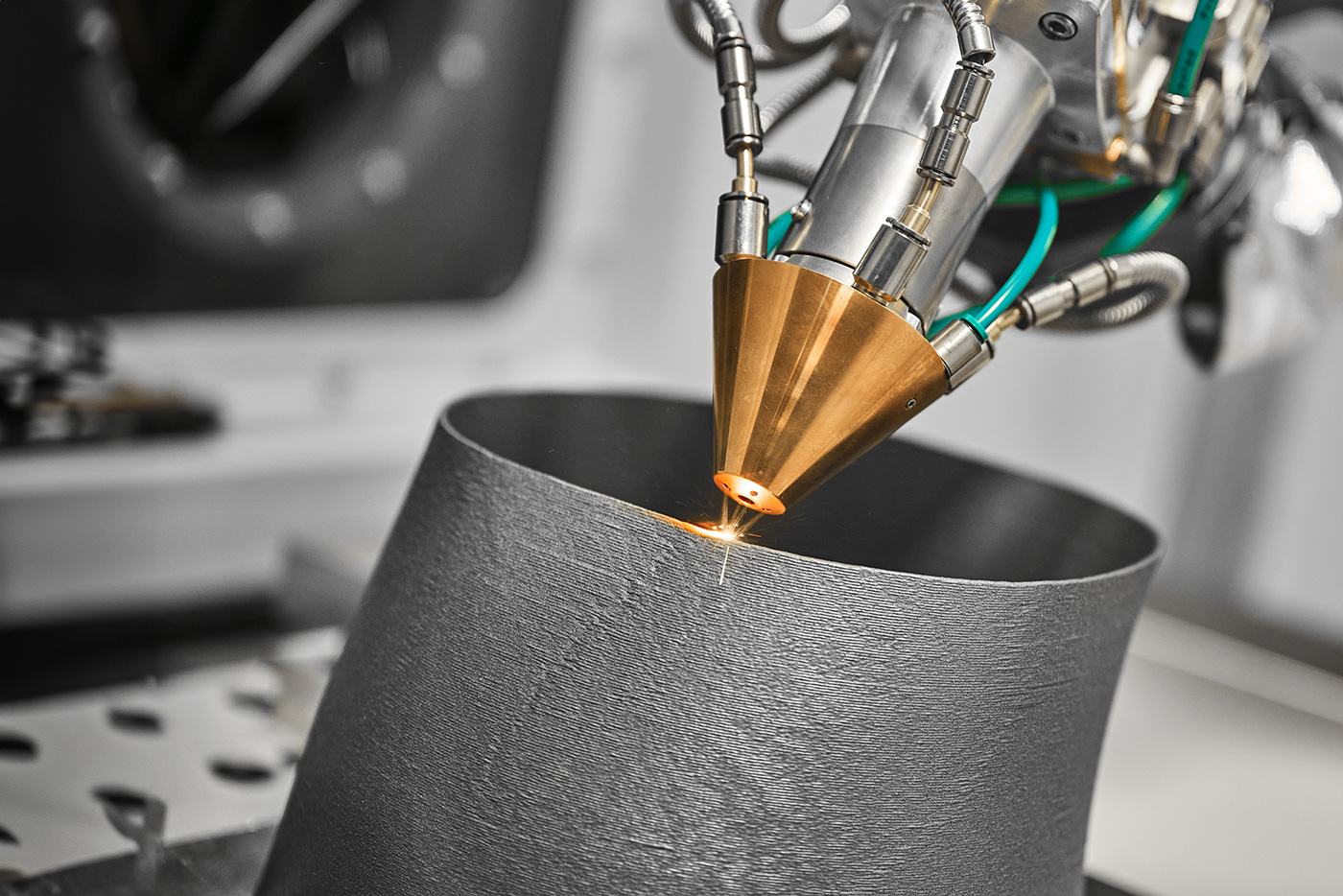
Suitable bronze alloys can also be found in the additive manufacturing using metal powder be processed. This makes it possible, for example, to produce components with complex geometries. A prerequisite is that the powder quality is suitable for the specific process and equipment. Not every type of powder used for pigments or conventional sintered parts is automatically suitable for metal 3D printing.
Choose the right bronze powder for the application
The requirements for technical components differ from those for decorative surfaces. In addition to the desired grain size, the alloy, the processing method and the required component properties should therefore be specified. Corrosion resistance must also be assessed on the basis of the specific medium in which the component will be used and the operating conditions.
If your application requires a copper-zinc alloy, you will find further information on our product page for Brass powder.
Enquire about bronze powder from NMD Metalpowders
Are you looking for bronze powder for sintered parts, filters, coatings or an additive manufacturing process?
NMD Metalpowders can help you select the right powder specification. For specific requirements, we can also advise you on tailor-made powder solutions.
Enquire about bronze powder now and please let us know your preferred alloy, grain size, quantity and application.