




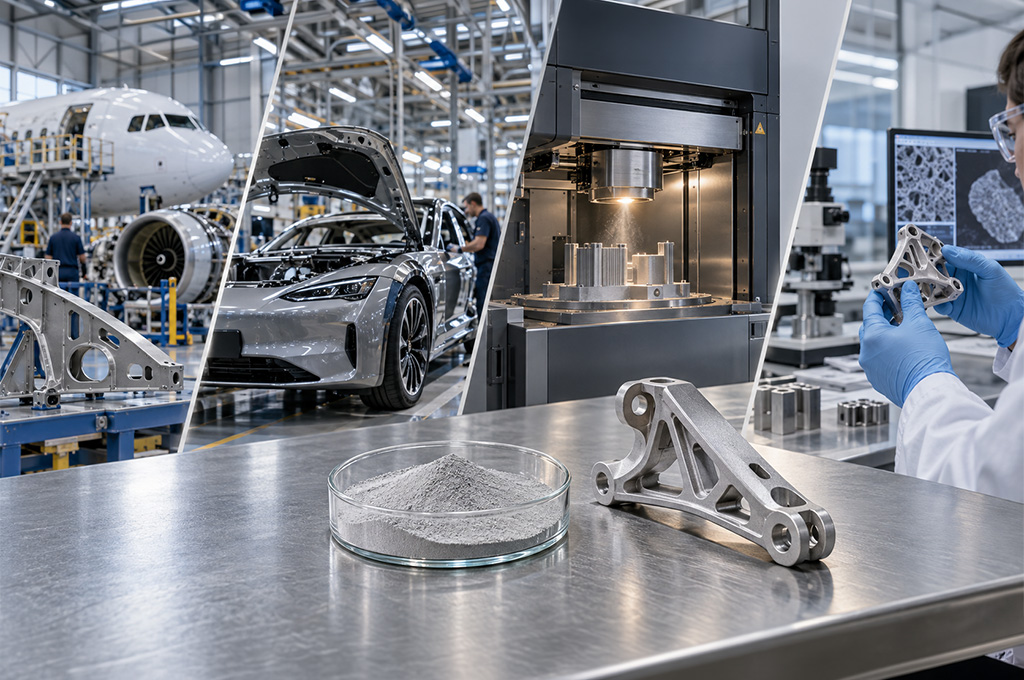
Lighter components, greater energy efficiency and reliable performance under demanding operating conditions are among the key development objectives of modern industries.
Particularly in the case of moving components, every kilogram saved can help to reduce energy consumption, inertia and the load on adjacent systems.
Magnesium alloys offer promising potential in this regard. They combine low density with a strength-to-weight ratio that is attractive for lightweight construction applications. However, conventional magnesium alloys reach their limits when components are subjected to sustained high temperatures or mechanical stress.
This is where the WE43 magnesium alloy . The addition of yttrium, other rare-earth elements and zirconium gives the magnesium-based alloy a material structure that has been specifically developed for demanding lightweight construction applications with increased thermal and mechanical requirements.
At the same time, the additive manufacturing using metal powders new ways of producing complex WE43 components, internal structures and lightweight lattice geometries. However, working with the material is challenging: magnesium is reactive, can evaporate during the melting process and has a narrower process window than established materials such as steel or titanium.
There is also an economic and strategic dimension to this. Magnesium is classified by the European Union as a critical and strategic raw material. At the same time, according to figures from the U.S. Geological Survey, China accounted for an estimated 88 per cent of global primary magnesium production in 2024.
For industrial users, therefore, it is not only the material properties that are important, but also reliable sources of supply, batch consistency and long-term supply reliability.
This article explains what sets WE43 apart, the opportunities and challenges associated with additive manufacturing, how the AZ91 alloy differs, and what specifications buyers should define when requesting magnesium alloy powder.
Key points at a glance:
- WE43 is a magnesium alloy containing yttrium, other rare-earth elements and zirconium.
- The alloy was developed for demanding lightweight construction applications with increased thermal and mechanical requirements.
- Additive manufacturing enables the production of complex and weight-optimised WE43 components, but places high demands on the powder and process control.
- Particle size distribution, fine particle content, morphology, oxygen content and batch consistency all influence processing and component quality.
- WE43 and AZ91 meet different requirements and are not universally interchangeable.
- A standard for semi-finished products must not automatically be interpreted as a specification for metal powders.
Magnesium: between its potential for lightweight construction and strategic dependence on raw materials
Why magnesium is of interest for industrial lightweight construction
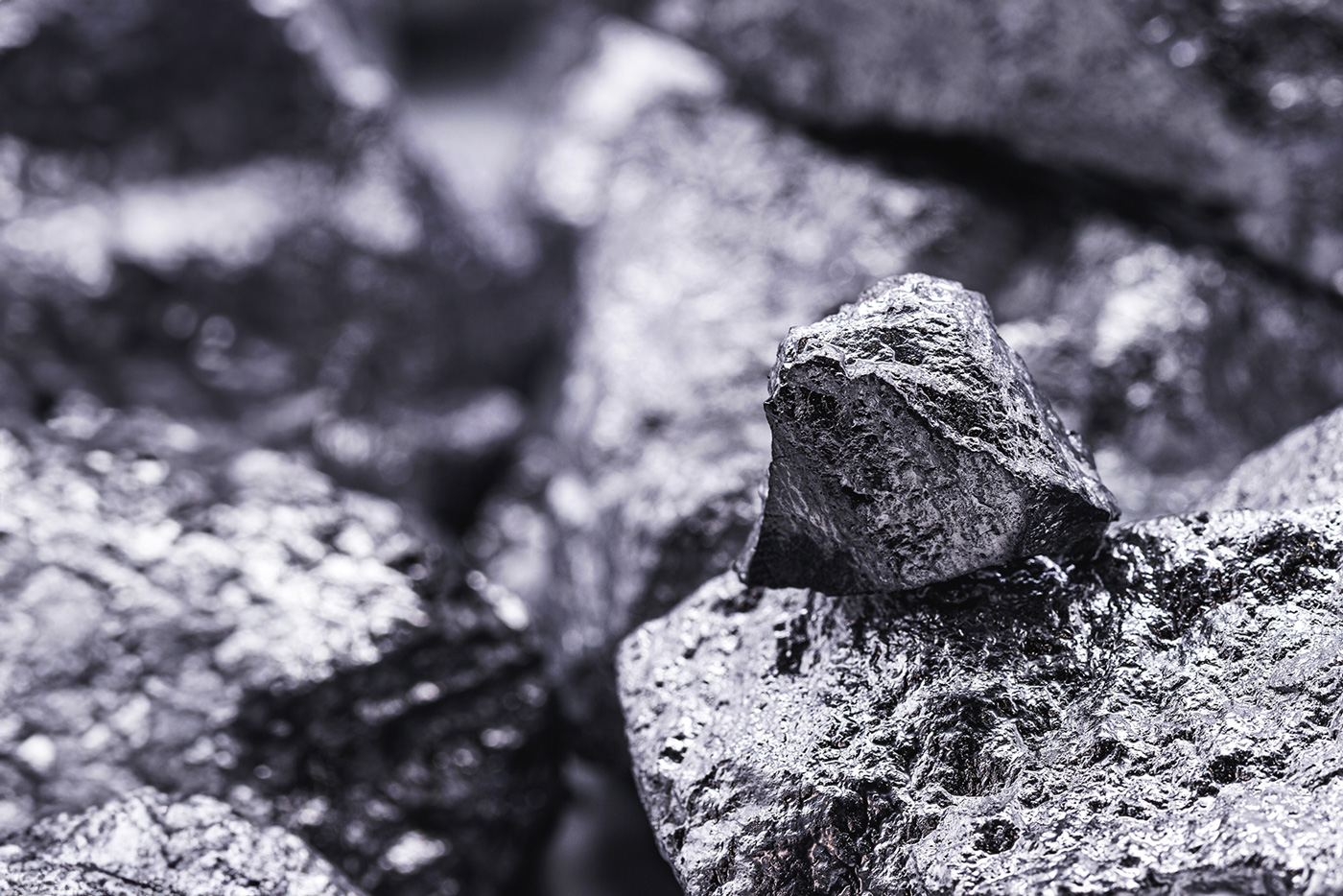
Magnesium has a significantly lower density than steel, titanium and aluminium.
This makes it possible to reduce the weight of the component, provided that the strength, temperature behaviour, corrosion protection and manufacturing process are suitable for the application in question.
A lower weight can offer several advantages, particularly in moving systems:
- reduced inertia
- lower energy consumption during acceleration and movement
- less strain on adjacent components
- Potential for more compact drive and support structures
- improved handling of lightweight machine and system components
Nevertheless, magnesium is not a universal substitute for aluminium, titanium or steel. The choice of suitable material depends, amongst other things, on mechanical stress, temperature, the corrosive environment, the manufacturing process, costs and the certification requirements.
WE43 is particularly of interest when the low density of magnesium needs to be combined with increased requirements for strength, thermal stability and creep resistance.
Magnesium as a strategic raw material for Europe
The The European Union’s Critical Raw Materials Act lists magnesium as both a critical and a strategic raw material.
This classification takes into account not only economic importance but also potential risks within the supply chain.
Global primary production is highly concentrated. According to the U.S. Geological Survey In 2024, an estimated 88 per cent of the world’s primary magnesium production came from China.
For European companies, this does not automatically mean that every magnesium product will be in short supply in the short term. However, it does highlight why the following points should be taken into account at an early stage in long-term projects:
- several reputable suppliers
- Availability of the required alloy and powder grade
- reproducible chemical composition
- Sample and production quantities
- Test certificates and batch traceability
- Delivery times and restocking options
Under the Critical Raw Materials Act, the European Commission is supporting strategic projects for the extraction, processing and recycling of magnesium and other raw materials.
The aim is to make Europe’s supply chain more resilient and to reduce dependence on individual supply regions.
Growing demand for efficient lightweight construction solutions
The demand for lighter and more energy-efficient systems is driven by a number of factors: electrified mobility, rising energy costs, stricter efficiency targets and the modernisation of industrial fleets.
Airbus expects, in its Global Market Forecast 2026 a demand for 42,060 new commercial aircraft by 2045. Of these, 19,820 are expected to replace older aircraft. Whilst this forecast does not provide direct evidence of rising demand for WE43, it does highlight the long-term pressure to further optimise weight, energy consumption and component efficiency.
Lightweight construction is not merely a question of materials. The real benefits only arise from the interplay between materials, design, manufacturing, joining techniques and service life.
What is the WE43 magnesium alloy?
What does the designation WE43 mean?
The designation WE43 follows the coding system for magnesium alloys. According to ASTM B951:
- W for yttrium,
- E for rare-earth elements,
- 4 and 3 for the approximate proportions of the two main alloy groups.
WE43 is therefore often referred to as a magnesium alloy of the type Mg-4Y-3RE ...as described. Zirconium is usually added as a further alloying element.
The exact composition may vary depending on the material condition, specification and supplier, and must be assessed on the basis of the relevant data sheet and test certificate.
The official coding system explains the ASTM B951. It is important not to equate the alloy designation with a full powder specification.
What roles do yttrium, rare-earth elements and zirconium play?
The alloying elements alter the microstructure and behaviour of the magnesium-based alloy.
- Yttrium: It promotes the formation of temperature-stable phases and contributes to strength and thermal stability.
- Rare-earth elements: These may include, in particular, neodymium. They promote precipitation hardening, strength and creep resistance.
- Zirconium: In magnesium-based alloys, it is used, amongst other things, for grain refinement.
However, the material’s subsequent performance does not depend solely on its nominal composition. Solidification rate, heat treatment, porosity, grain size and manufacturing processes also influence the result.
A recent study on laser-based powder bed fusion shows that even small variations in the neodymium and zirconium content within different WE43 powders can alter the grain formation, microstructure and properties of additively manufactured samples.
This makes it clear that: Even within the same alloy designation, the specific powder composition is relevant.
WE43 powder is not the same as a cast or wrought alloy
The designation WE43 can be used for various forms of the material, for example:
- Casting alloys
- rolled sheets
- Bars and sections
- Metal powder
- additively manufactured components
These material forms may belong to the same basic alloy family, but they do not automatically have identical properties.
In the case of metal powders, additional characteristics come into play:
- Particle size distribution
- Grain shape and surface structure
- Oxygen and impurity content
- Bulk density and tapped density
- Flowability
- Manufacturing and atomisation processes
- Packaging and storage
Additively manufactured WE43 components also exhibit a different solidification history and microstructure to cast or rolled products.
Mechanical properties taken from data sheets for semi-finished products must therefore not be applied to powder or additively manufactured components without verification.
Why WE43 is used in high-performance lightweight construction
Low weight and high specific strength
The magnesium-based material enables a significant reduction in weight compared with many conventional structural materials.
At the same time, WE43 is designed to meet higher mechanical and thermal requirements than many traditional magnesium alloys.
The material is therefore suitable for components that meet all of the following requirements:
- Low weight
- high specific strength
- continuous mechanical stress
- higher operating temperatures
- complex or weight-optimised geometries
Whether WE43 actually represents the better system solution compared with aluminium, titanium or steel must be assessed on a component-by-component basis. Factors to be considered include not only weight and strength, but also cost, corrosion protection, joining techniques, maintenance and type approval.
Temperature and creep resistance
Creep refers to the time-dependent deformation of a material under a constant load. This effect becomes more significant at elevated temperatures.
WE43 has been developed for applications in which magnesium components are required to retain their shape and function as reliably as possible, even under thermal and prolonged mechanical stress. Precipitates and intermetallic phases in this yttrium- and rare-earth-containing alloy contribute to its thermal stability.
Current research is investigating the creep properties of additively manufactured WE43 components at elevated temperatures.
The results also show that the direction of loading, microstructure, porosity and orientation within the component influence its behaviour. The material properties must therefore be validated for the specific condition of the component.
Assessing corrosion behaviour correctly
WE43 is often classified as a comparatively corrosion-resistant magnesium alloy. However, this should not be taken to imply a general guarantee against corrosion.
Actual behaviour depends, amongst other things, on:
- chemical composition
- Microstructure and precipitates
- Porosity and surface defects
- Surface treatment and coating
- Contact with other metals
- Moisture, salts and other substances
- Temperature and mechanical stress
In the case of additively manufactured components, powder quality, the melting process and heat treatment can also influence corrosion behaviour. Approval should therefore be granted under the actual intended operating conditions.
WE43 in additive manufacturing: opportunities and technical challenges
Complex and lightweight components using PBF-LB/M
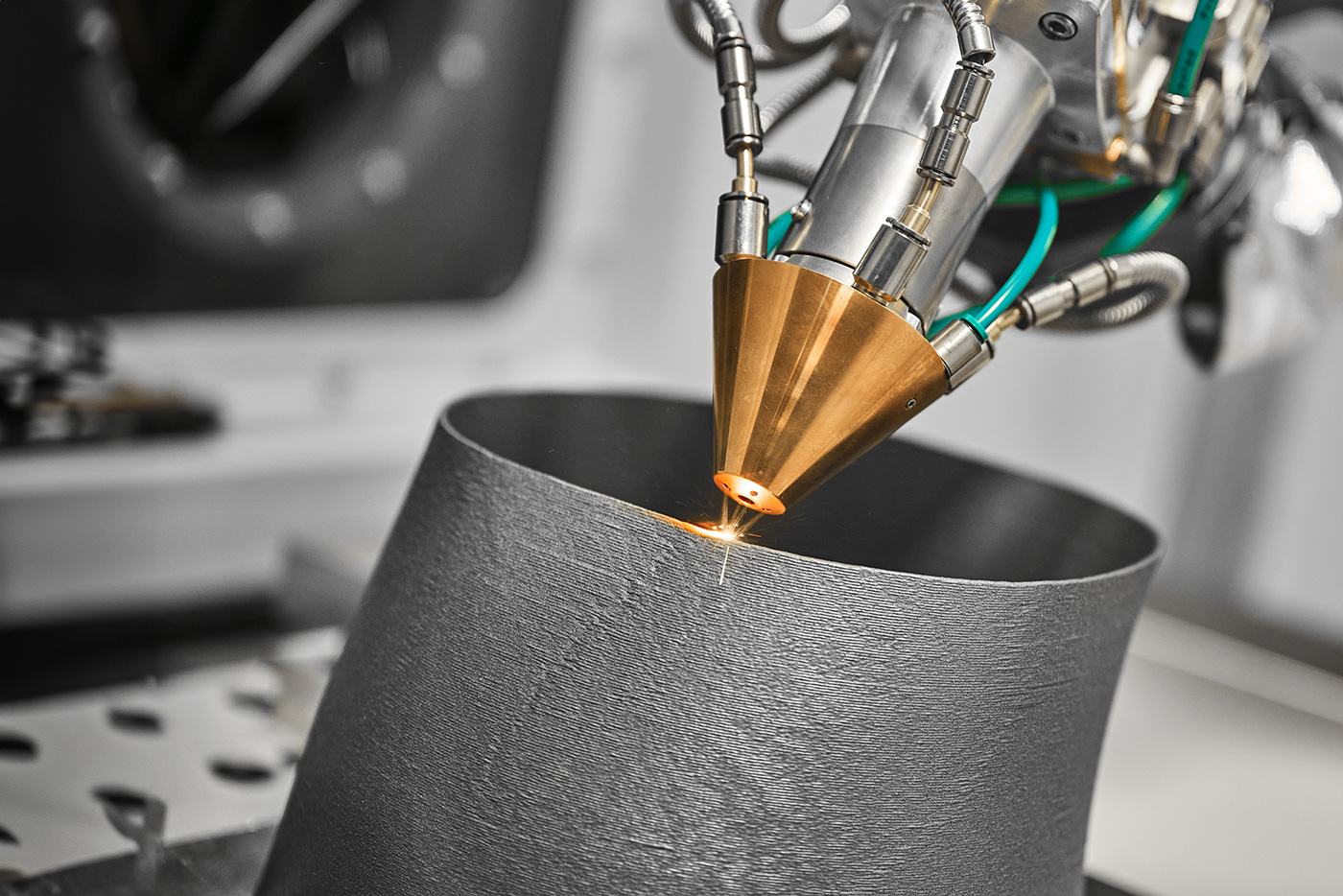
In laser-based powder bed fusion of metals – PBF-LB/M for short – the metal powder is deposited layer by layer and melted locally by a laser. The process enables the production of geometries that are difficult to manufacture using conventional methods.
These include:
- Truss and lightweight structures
- internal channels
- functionally integrated geometries
- customised component variants
- topology-optimised components
Research carried out in 2025 shows that, with the right laser strategies, WE43 can be processed into complex lattice structures with a high relative density. At the same time, the laser strategy, pore distribution and microstructure have a significant influence on mechanical performance.
You can find out more about processes, requirements and materials on our page on additive manufacturing using metal powders.
We discuss the economic development of the technology in the technical article „Additive manufacturing using metal powders: Why the technology is becoming increasingly important for Europe’s industry“ one.
Why magnesium is more difficult to process
Magnesium alloys pose particular challenges in laser-based processing. These challenges include:
- high chemical reactivity
- Oxide formation on powder and melt
- Vapourisation of magnesium and alloying elements
- limited process window
- Sensitivity to residual oxygen
- strict requirements regarding the protective atmosphere and plant cleaning
- specific requirements regarding powder handling and fire safety
A recent study on the PBF-LB/M processing of WE43 describes the process window for producing virtually pore-free components as narrower than that for titanium or steel. The research therefore examines, amongst other things, the composition of the shielding gas, laser parameters and heat treatment.
The fact that a material is generally suitable for processing does not, therefore, automatically mean that it has been approved for use in the process.
The powder, equipment, inert gas, exposure strategy and post-treatment must all be validated together.
Advances in case management and aftercare
The additive manufacturing of WE43 is undergoing continuous development. Current research priorities include, amongst others:
- Optimisation of laser power and scanning speed
- Customised contour and hatch strategies
- Reduction in porosity
- Monitoring of evaporation and element losses
- Optimisation of shielding gas and residual oxygen
- Heat treatment of the additively manufactured microstructure
- The effect of building orientation and the direction of loading
Research into heat treatment shows that additively manufactured WE43, due to its distinctive, rapidly solidified microstructure, should not necessarily be treated in exactly the same way as conventionally cast material.
Solution annealing and precipitation must be tailored to the additive state.
Why particle size distribution and the proportion of fine particles are crucial in the WE43 magnesium alloy
Particle size affects more than just the film thickness
The particle size distribution determines which size classes are present within a powder. Among other things, it influences:
- Flowability and dosing
- Application of an even layer of powder
- Packing behaviour and bulk density
- Layer thickness and detail resolution
- specific surface area
- Oxidation and reaction behaviour
- Dust generation and handling
Finer particles have a larger surface area in relation to their volume. As a result, they oxidise more readily, exhibit greater cohesion and place greater demands on storage and process control.
You can find further background information in our technical article on Particle size of metal powders.
Controlled fine-particle content for ease of handling and process reliability
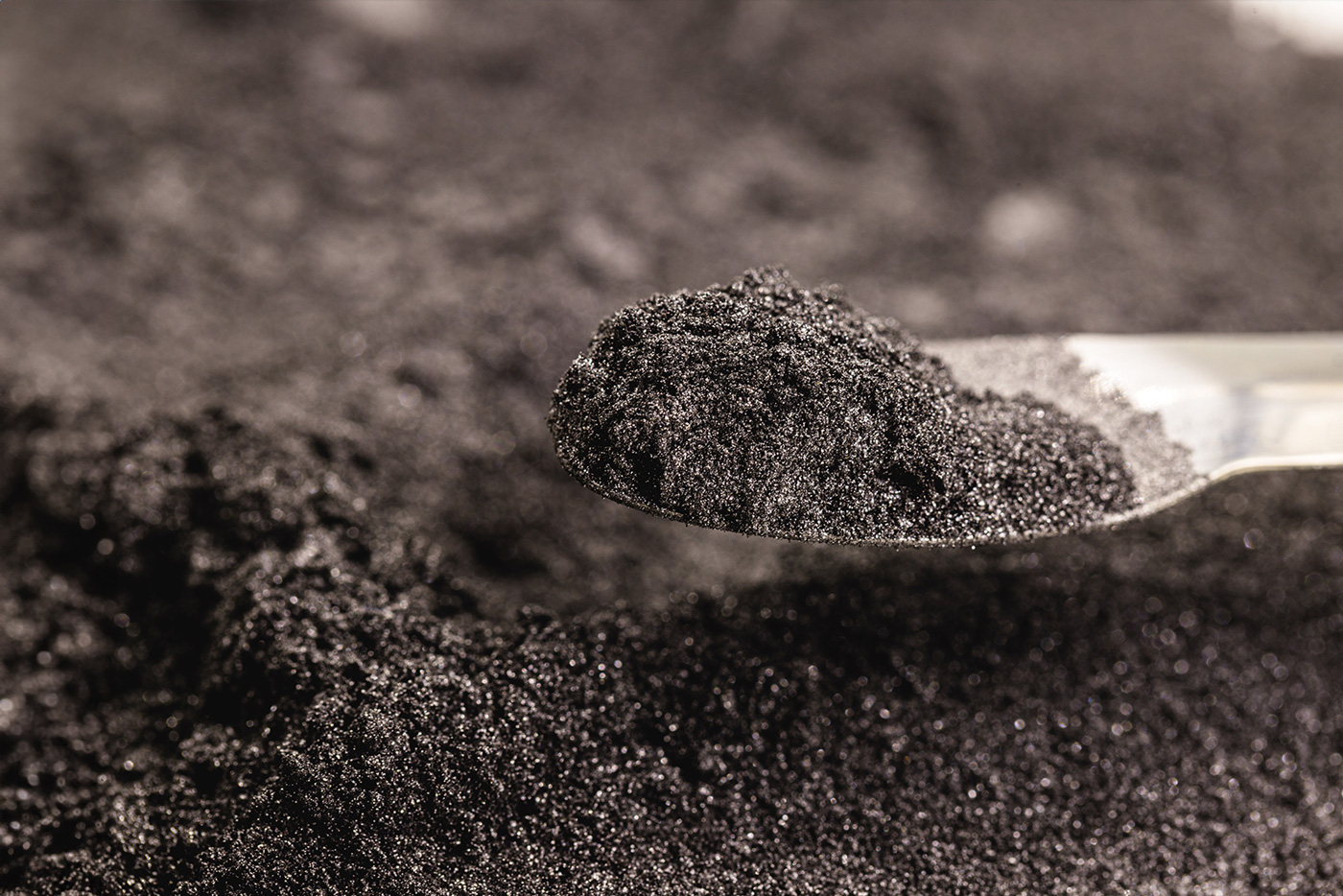
NMD Metalpowders offers a range of WE43 powder grades to meet various requirements.
- WE43 standard magnesium alloy powder: Available in the size ranges 15–53 µm and 20–63 µm.
- WE43 Special magnesium alloy powder: 20–63 µm, with a maximum of 1 per cent of particles smaller than 10 µm and a maximum of 5 per cent of particles smaller than 20 µm.
In the WE43 Special, the limited proportion of fine particles is combined with a specially optimised atomisation process. This reduces dust generation compared with powder grades containing a higher proportion of fine particles.
Controlling the proportion of fine particles can help:
- To reduce dust generation during handling and dosing
- to limit the undesirable reactivity of very fine particles
- to make the powder feed more consistent
- To reduce the effort involved in cleaning and handling
However, this is no substitute for a plant- and process-specific safety assessment. Even a powder with a reduced proportion of fine particles remains a reactive magnesium powder and must be handled accordingly.
Grain shape, oxygen content and batch consistency
Particle size alone is not sufficient to assess the suitability of a WE43 powder. The following factors are also relevant:
- Grain shape and sphericity
- Satellite towns and conurbations
- Surface roughness
- Oxygen and impurity content
- Bulk density and tapped density
- Flow behaviour
- chemical composition
- Batch consistency
A study into the reuse of WE43 powder showed that, as usage increases, factors such as the fine and coarse fractions, sphericity, irregularity and oxide content may change. Although the study continued to produce dense components, it underlines the importance of a controlled powder history and regular testing.
WE43 or AZ91? It depends on the application
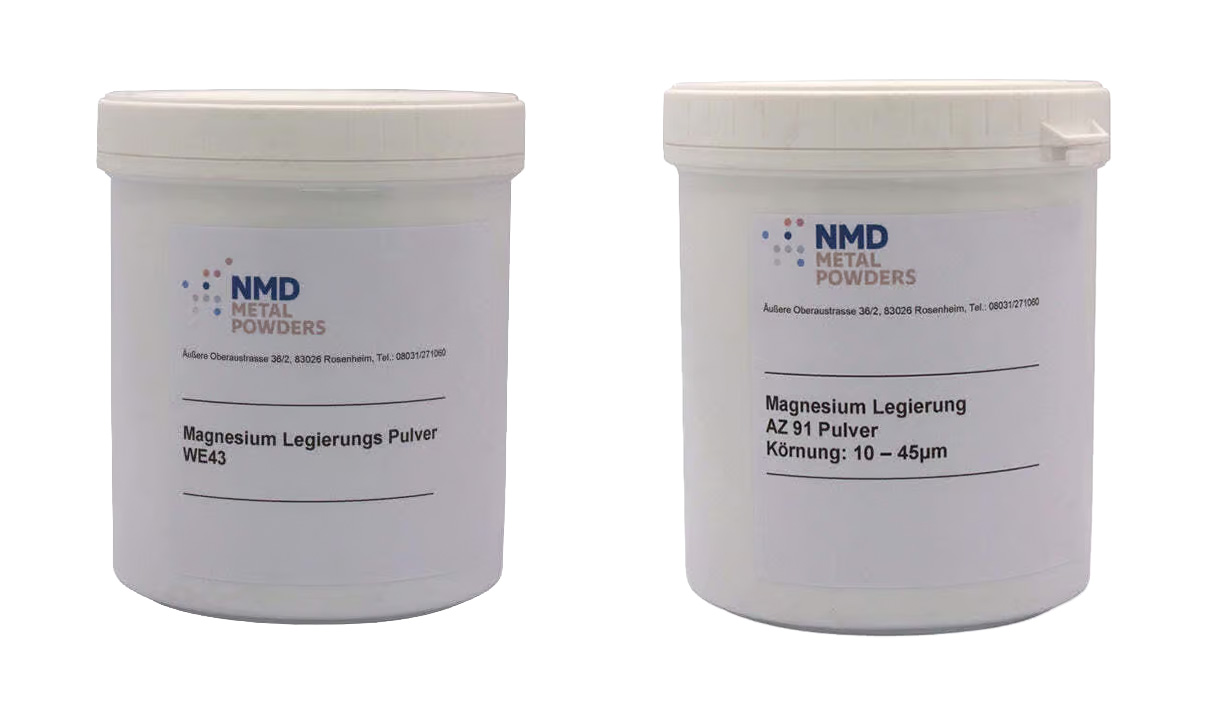
WE43 and AZ91 are well-established magnesium alloys, but are based on different material concepts.
WE43 is based on yttrium, rare-earth elements and zirconium. AZ91 is a magnesium-aluminium-zinc alloy.
The following overview is intended as a general guide and is not a substitute for technical testing of materials and processes.

When WE43 should be examined more closely
WE43 may be of particular interest for projects where several of the following requirements apply:
- component weight as low as possible
- high specific strength
- higher operating temperatures
- Creep resistance under prolonged loading
- complex or lattice-like component geometries
- strict requirements regarding material and batch documentation
When AZ91 may be a suitable alternative
Magnesium alloy powder AZ91 may be suitable for applications where an established magnesium-aluminium-zinc alloy is required and the specific high-temperature and creep properties of WE43 are not necessary.
The choice should be based on the actual function of the component. WE43 is not universally superior to AZ91, but has been developed to meet a different set of requirements.
Typical areas of application for WE43
Aerospace
In the Aerospace low weight, high reliability and verifiable material quality are particularly important.
WE43 can be tested for lightweight structural and functional components that are subject to increased mechanical or thermal stresses. Potential applications include housings, brackets and specialised components with complex geometries.
Before use, the component’s function, manufacturing process, heat treatment, corrosion protection and industry-specific qualification requirements must be checked.
The automotive industry and high-performance mobility
In the Automotive industry Weight reduction can help to reduce inertia and enable more efficient design of moving systems.
WE43 is primarily intended for demanding lightweight construction, motorsport and development applications. Potential components include lightweight housings, brackets and parts where both weight and temperature resistance are important factors.
It is not possible to infer general suitability for vehicle components from this. Each component must be assessed separately in terms of stress, corrosion, manufacturing processes and cost-effectiveness.
Mechanical and plant engineering
In the Machine and tool construction WE43 may be of interest for lightweight functional components, moving parts and specialised small-batch production.
Additive manufacturing enables geometries that reduce weight or combine several functions within a single component. This can offer both design and economic advantages, particularly for high-quality custom parts.
Research and medical technology development
Due to its biodegradability and mechanical properties, WE43 is also being researched for use in resorbable implants and porous scaffold structures. Additive manufacturing processes enable patient-specific geometries and precisely controlled porosities.
This area should be regarded as a specialised field of research and development. No general conclusion regarding the medical suitability or authorisation of the powder we offer should be drawn from this.
What buyers should look out for when purchasing WE43 powder
Key details for an enquiry
The general description „WE43 powder“ is often insufficient to make a sound choice. A technical enquiry should, where possible, include the following information:
- Manufacturing process: for example, PBF-LB/M or another powder-processing method
- Appendix: Manufacturer, machine type and relevant process specifications
- Particle size distribution: for example, 15–53 µm or 20–63 µm
- Permissible proportion of fine particles: in particular, particle sizes below 10 and 20 µm
- Grain shape and morphology: Requirements regarding sphericity and surface structure
- chemical composition: Target values and permissible limits for foreign substances
- Oxygen and gas content: where relevant to the proceedings
- Quantity: Laboratory, sampling, pilot or production requirements
- Packaging: Packaging size, protective atmosphere and storage requirements
- Documentation: Test reports, certificates of analysis and traceability
- Delivery planning: one-off requirement or ongoing supply
Correctly categorise standards and specifications
When a enquiry is received, it is important to check carefully what a particular standard or specification refers to. A standard for semi-finished products is not automatically a specification for powder.
The current SAE AMS4371C For example, it covers rolled WE43C-T5 sheets. It does not automatically specify requirements for WE43 metal powder.
If such a standard is mentioned in connection with powder, the following should be clarified:
- Does the reference relate solely to the target chemical composition?
- Which separate powder specification applies?
- What figures are actually included in the analysis certificate?
- What test methods were used?
- What are the requirements regarding particle size, morphology and oxygen content?
The specific powder data sheet and the batch-specific test certificate are crucial.
Sampling and process approval
Technical data can be used to make an initial selection, but they are no substitute for testing on the intended system.
Receiving a sample helps with this:
- To evaluate flow and coating behaviour
- Adjusting process parameters
- To check porosity and component density
- to determine mechanical properties
- To assess surface finish and dimensional accuracy
- Specify heat treatment and post-processing
- To define release criteria for future batches
In the event of future mass production requirements, the long-term availability of the approved powder grade should be taken into account as early as the development stage.
5 common mistakes when selecting and processing
1. Compare only the alloy designation
Two WE43 powders may differ in terms of grain size, morphology, oxygen content, proportion of fine particles and documentation, even though they have the same alloy designation. The product name alone is not sufficient to equate them technically.
2. Automatically regard finer powder as being of better quality
A higher proportion of fine particles can increase surface area and reactivity, but at the same time can make the material less free-flowing, lead to increased dust formation, promote oxidation and make handling more difficult. The appropriate particle size distribution depends on the plant and the process.
3. Directly transfer the properties of cast components
Additive manufacturing produces different solidification conditions and microstructures to those resulting from casting or rolling. The characteristic values of a conventional semi-finished product must therefore not be applied to an additively manufactured component without first being verified.
4. Taking safety and storage requirements into account too late
Reactive magnesium powders require a tailored approach to transport, storage, dosing, plant cleaning and fire safety. These requirements should be clarified before ordering the material.
5. Proceed to larger quantities without sampling
An early process assessment reduces the risk of procuring large quantities of a particular grade of powder that does not fit within the intended process window.
Frequently asked questions about WE43 magnesium alloy powder
What does the designation WE43 mean?
In the coding system, ‘W’ stands for yttrium and ‘E’ for rare-earth elements. The numbers 4 and 3 describe the approximate proportions of the main alloying elements. WE43 is often referred to as a Mg-4Y-3RE alloy.
What elements does WE43 contain?
WE43 is based on magnesium and contains yttrium, rare-earth elements and zirconium. Neodymium is often a key component of the rare-earth group. The exact composition must be checked against the relevant product specification.
Is WE43 suitable for additive manufacturing?
WE43 can be processed using additive manufacturing processes such as PBF-LB/M. However, magnesium’s high reactivity and tendency to evaporate result in a narrow process window. Powder quality, equipment, protective atmosphere and exposure parameters must all be qualified together.
What is the particle size of NMD Metalpowders’ WE43 powder?
NMD Metalpowders offers WE43 Standard in the particle size ranges 15–53 µm and 20–63 µm. WE43 Special has a particle size distribution of 20–63 µm with a controlled proportion of fine particles.
Why is a low proportion of fine particles important?
Very fine particles have a large specific surface area and can oxidise more readily, react more cohesively and generate more dust. A limited proportion of fine particles can aid handling and process reliability, but is no substitute for a suitable safety plan.
What is the difference between WE43 and AZ91?
WE43 is a magnesium-yttrium-rare-earth-zirconium alloy and was developed for demanding thermal and mechanical conditions. AZ91 is based on magnesium, aluminium and zinc and has a different set of properties and applications.
What are the requirements for storage and processing?
Magnesium alloy powder must be stored in a dry, protected place and in accordance with the product-specific safety information. Appropriate protective measures, as well as a site-specific fire and explosion prevention plan, are required for processing, dosing and cleaning.
When is it advisable to request a sample?
Sampling is advisable for new plants, changes of supplier, changes in particle size, new components and subsequent production runs. It enables technical approval to be granted under real process conditions.
Finding the right supplier for WE43 powder
When procuring WE43, one should not simply compare the price per kilo or the alloy designation. The key factor is whether the chemical composition, particle size distribution, fine-particle content, morphology, documentation and availability are suitable for the project.
If the powder quality is unsuitable, this may lead to additional sampling, process adjustments and delays. Technical coordination should therefore take place at an early stage, particularly in the case of reactive magnesium alloys.
NMD Metalpowders supports companies and research organisations in:
- the selection of a suitable WE43 powder grade
- the adjustment of particle size and fine fraction
- the procurement of sample and production quantities
- the verification of test certificates and batch documentation
- the classification of standard and special grades
- long-term supply planning
You can find an overview of other qualities on our category page for Magnesium powder and on the product page for Magnesium alloy powder.
Do you require WE43 magnesium alloy powder for a development or manufacturing project?
Please submit an enquiry via our Metal powder form and please let us know the planned process, the required particle size distribution, the quantity required, and your quality and documentation requirements.
We are looking into a suitable procurement solution for your application.
Sources and further information
- European Commission RMIS: Critical and Strategic Materials
- U.S. Geological Survey: Mineral Production in China
- Airbus Global Market Forecast 2026–2045
- ASTM B951: Classification of Magnesium Alloys
- Advanced Engineering Materials: Processing and Heat Treatment of PBF-LB/M WE43
- Advanced Engineering Materials: Laser Strategies for WE43 Lattice Structures
- Journal of Materials Research and Technology: Effect of Powder Composition on LPBF WE43
- Journal of Magnesium and Alloys: LPBF WE43 with a balance of strength and ductility
- Additive Manufacturing Letters: Cyclic Creep Behaviour of PBF-LB/M WE43
- Journal of Materials Research and Technology: Reuse of WE43 Powder
- SAE AMS4371C: WE43C-T5 Rolled Plate Specification